
Pet feeding is not limited to just giving pets something to eat daily. The quantity of food that pets eat has a direct impact on their health, energy levels, weight, and wellness. While many pet owners are quite familiar with how to choose the correct food for their pets, the general public often overlooks the fact that any healthy food could be turned unhealthy with incorrect serving quantities. It would be best if pet owners took precautions when feeding the proper quantity of food to their pets.
Understanding Individual Feeding Needs
There are unique nutrition requirements for every pet that have to be kept in mind while feeding the animal. One has to keep in mind the age, breed, size, level of activity and health condition of the pet. There will be different requirements of calories of a growing puppy, an older cat, and a sedentary dog. Furthermore, one cannot feed their pet the same amount of food regardless of its level of activity since any changes in physical activity can cause problems such as being overweight or underweight.
What one also has to keep in mind is that the amount of food indicated on the package is just an average number of food required by the pet. It is crucial to weigh the animal and analyze its body structure to see if it requires more or less food. In addition, it is possible to consult a veterinarian about the correct feeding pattern.
Preventing Weight Related Health Problems
Excess weight is one of the leading health problems that pets usually face in households. This issue occurs due to people giving animals a generous amount of food and snacks. In addition, the regular diet can be increased because of more than one owner giving extra servings. The problem with extra calories is that it can accumulate rapidly and cause overweight and obesity.
As such, it is the responsibility of the owner to follow the suggested portion size in order to ensure that the animals do not become overweight. This way, the pets will have plenty of energy, which means that they will be calmer and more willing to exercise. It is also important to note that when one is at an appropriate weight, there are fewer chances for diabetes and other illnesses to occur as well as strain on the joints and the heart.
Supporting Better Digestion
Giving food in the right quantity enables the digestive system to digest meals in a more efficient way. Very large meals can be associated with digestive issues, bloating, or constipation problems. Giving well-balanced amounts of food at regular intervals makes the process of digestion much better and aids pets to have well-organized eating routines.
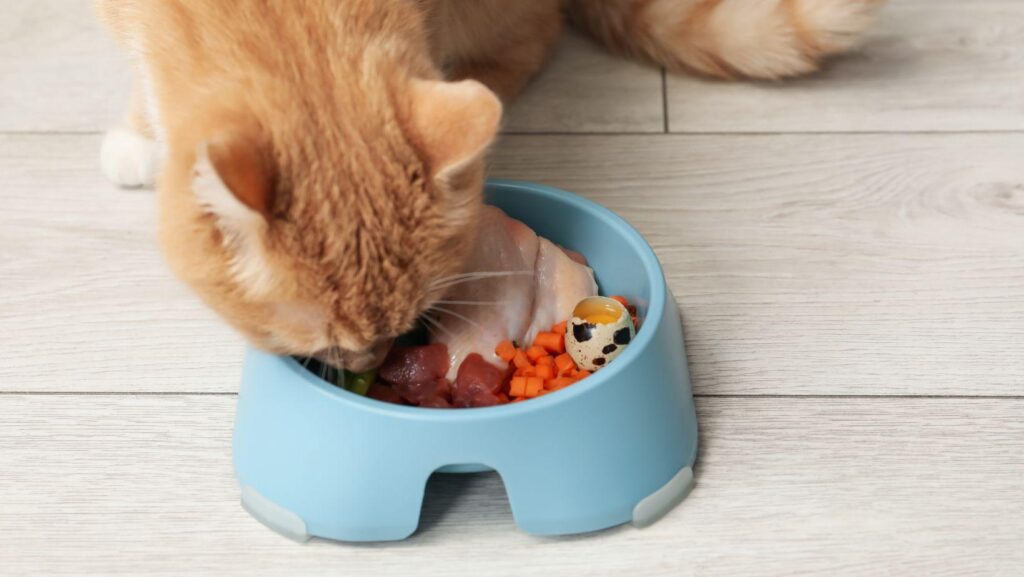
Proper food selection is another factor that complements portion control for healthy digestion. Whichever food choice between dry, wet, or special types, giving food in recommended quantities is key. For instance, choosing good quality cat food and controlling the amount of food given helps in getting proper nutrients without having too many calories.
Building Consistent Feeding Habits
Routine is an essential element in responsible pet ownership. Pets thrive on routine as it helps to avoid unnecessary begging from their owners for food. Having meals at the same time every day helps prevent pets from getting sick. It is essential to measure the food instead of filling their bowl up to the top.
In this case, you can track how much your pet eats and see if there are any deviations. A measured amount of food also helps your pet to build healthy eating habits. You will be able to control how much your pet eats. If you decide to switch to open farm dog food, it is essential to measure the amount of food so that the pet gets the necessary calories per day.
Adjusting Portions Throughout Life
Portion requirements are rarely consistent throughout the lifespan of a pet. Puppies and kittens, for instance, need more calories for their quick development, while older animals need fewer calories to prevent unwanted weight gain, although their dietary needs might differ. More active animals will naturally require more food than less active ones.
Changes in lifestyle and health problems could equally affect the dietary requirements of the animal. This would be the case when the animal recovers from sickness or operation, and when the animal becomes more active during the year. It is, thus, important that the owner evaluates the body condition of the animal and follows the recommended feeding guide.
Choosing Quality Over Quantity
Many owners believe that feeding their pets with huge portions of food is the best way to show their affection. Nevertheless, in most cases, the proper portions of good quality food are useful for pets. Good quality food can help animals stay in good shape, keep healthy skin, and be energetic.
The choice of appropriate dog food and correct measurements of food portions allow pets to get all the needed vitamins and minerals without gaining weight. Furthermore, with the addition of physical activity, healthy food, constant access to clean water, and veterinary care, measurement of food portions will become a cheap way to keep your pets healthy and energetic at any age.
Portion control is vital in pet care as it ensures that they have the appropriate amount of food to maintain a healthy weight and digestion. It is also important to take into consideration their diet and how much they eat per day. Overall, portion control is essential for pets as it will improve their well being and lifestyle. Pet owners should be considerate when feeding their animals, so that they feel the most comfortable.