

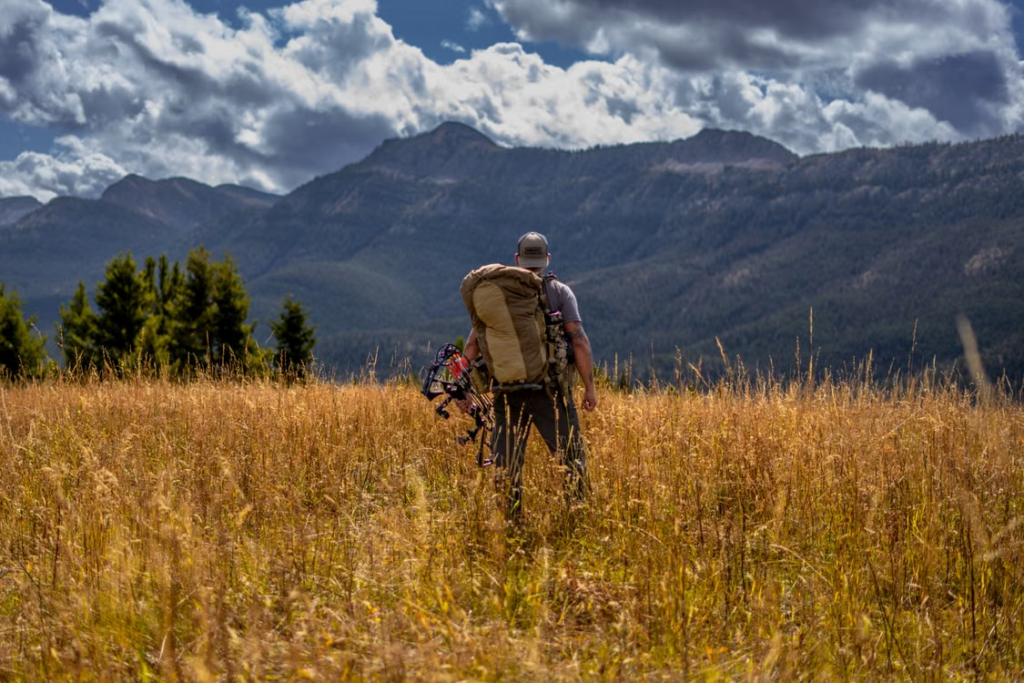
Booking a guided hunt should be the easy part.
Most hunters drop a deposit thinking that one price will include the entire week. Then the final invoice comes… and there are charges no one discussed on the phone.
It’s not always the outfitter trying to be slick. Guided packages are offered VERY differently based on state, country and animal you’re hunting. What’s “INCLUDED” in an elk camp in Montana has nothing in common with a plains game safari or whitetail lease in Texas.
Here’s the good news:
You can avoid nearly all unpleasant surprises by asking a few questions before your deposit is processed.
There’s one piece of gear that almost never changes: the rifle. Loaner guns are available at some camps, but most outfitters expect hunters to arrive with a rifle they’re familiar with. That’s why the chassis underneath the barrel earns its keep. Each chassis and stock is milled with a barreled action inlet — you know, the pocket the barreled action slips into — and if that inlet was cut to accommodate a different action footprint, the fit becomes sloppy and the zero turns funky. Companies like XLR Industries mill model-specific inlets to ensure that your rifle that spends three days rattling down logging roads still shoots like it does back home.
Here’s what’s coming up:
- What’s Usually Included In The Price
- What Isn’t Included (And Where Budgets Blow Up)
- Questions To Ask Before Booking
What A Guided Outfitter Trip Actually Is
An outfitter is a licensed business. A guide is a person.
The outfitter owns the permits, the land access or the concession and they sell that package. The guide is walking the ridge with the hunter at 4am. Often they are the same person. On larger operations they are not.
Guided trips generally fall into three buckets:
- Semi-guided: Access, camp and scouting info given by outfitter. Hunters work in the field by themselves.
- Drop camp: Camp is packed out (gear/hunters) and outfitter drives back on a specified date.
The cost difference between the three is significant. As is the effort involved. Many hunters hire a drop camp thinking they are getting a fully guided hunt only to learn otherwise on day one.
Demand for hunts isn’t tiny either. The last federal study showed that 14.4 million Americans hunted within one year. Professional outfitters often book solidly 12-18 months in advance because of demand.
What’s Usually Included In The Price
Each operation ships their own package. However most quality outfitters offer the same basic items.
The Guide And Their Time
What this really provides is access. Someone who has been glassing this country since the spring knows where the animals bed. He knows where they water and which draws go quiet after the opening weekend.
Your daily rate should include the guide, any advance scouting prior to your arrival, and use of vehicles, horses or boats utilized while hunting.
Camp, Meals And A Bed
Most completely guided packages consist of meals and lodging from night one to night whatever. That can mean a lodge room with hot showers. It can also mean a wall tent with a wood stove.
Ask which one. There’s a big difference.
Field Care Of The Animal
Field dressing, quartering, and recovering meat and cape back to camp or to a locker in town are services typically included in a standard package.
What’s often not included is the butchering, the taxidermy work, or shipping anything home.
What Isn’t Included (And Where Budgets Blow Up)
This is the section worth reading twice.
Licences, Tags And Draw Applications
Hardly any outfitters include tags in the price. Some will submit on behalf of a hunter; most just provide a link and due date.
Non-resident tags can cost thousands of dollars by themselves. Draw systems exacerbate the problem — you can pay for a hunt and not get the tag. Find out what happens to your deposit if that occurs before you ink the contract.
Rifles, Optics And Ammunition
Gear is a hunter’s responsibility, and it’s a larger expense than most realize. Hunters invest approximately $45.2 billion annually. About 40% of that goes towards firearms, optics, and ammo.
The only thing that matters during a pay-hunt is that it only takes one malfunction for a five-figure trip to get ruined.
Travel beats rifles down. Rough loaders, dirt roads, saddle scabbards, hot trucks and icy ridges. When your rifle is bedded into a correctly cut barreled action inletted it can handle that punishment because the action is sitting in metal that was machined to fit it. Not to fit “close enough.”
A few things worth checking before a trip:
- The barreled action inlet is the correct one for that specific action model
- The barrel is free-floated with no contact anywhere along the channel
- Zero has been confirmed after the rifle was packed and unpacked
Most camps also require hunters to knock on a confirmation group when they arrive. That’s not an insult. That guide is just looking out for everyone’s week.
Tips, Trophy Fees And Getting There
Three more that catch people out:
- Trophy fees. Frequently found on foreign hunts, sometimes on exotic hunts. Animal is harvested, additional fee assessed.
- Travel. Airfare, gun licenses, hotels both ways, and car rentals are typically bundled separately.
Questions To Ask Before Booking
Ask these on the phone, then ask for the answers in writing.
- How many hunters per guide?
- Success rate in the last three seasons? How do you define “success”?
- What if the tag doesn’t come home? What if inclement weather shuts down the hunt?
- Is the deposit refundable, transferable, or gone?
- What’s the accommodation, and is there power or phone signal?
- Who handles meat processing and shipping, and at what cost?
- Are references from last season’s clients available?
If a shop can’t easily tell you yes or no to any of these questions, they’re still giving you information. An outfitter that won’t hedge replies to any of these questions is a good outfitter.
Tying It All Together
Guided outfitter trips operate smoothly when both parties understand what they’re paying for. Problems nearly always arise from assumptions rather than deception.
To recap the important bits:
- Assume tags, tips, travel and trophy fees are extra until told otherwise
- Bring a rifle that has been checked, torqued and confirmed at the range
- Get the inclusions in writing before the deposit leaves the account
Do that, and the only thing left to worry about is the wind.