
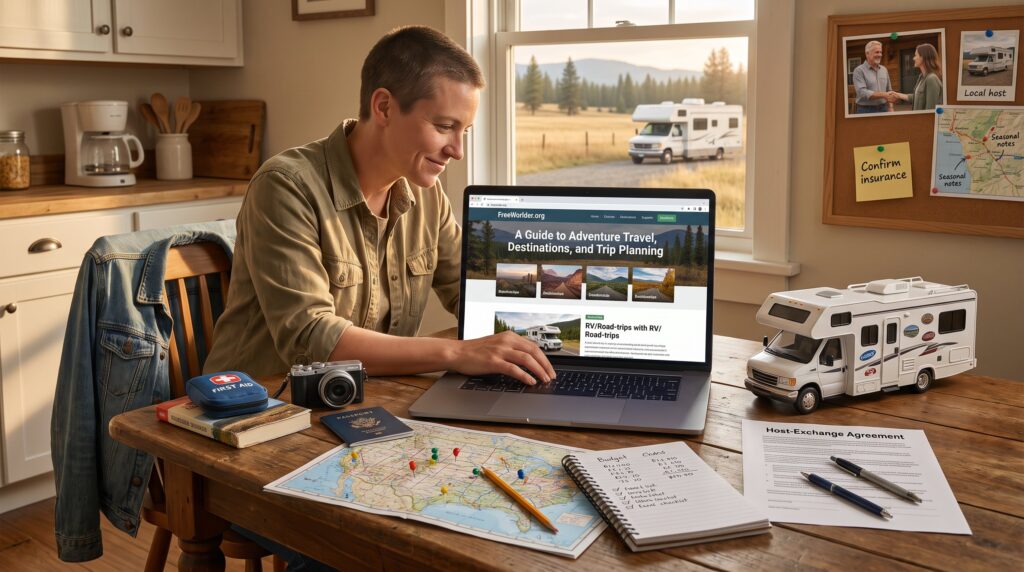
FreeWorlder.org: A Guide to Adventure Travel, Destinations, and Trip Planning opens as a practical hub for travelers who want hands-on, ethical adventures. Freeworlder.org combines destination guides, community-host exchanges, and planning tools so travelers can pick trips that match skills, budgets, and values. This guide explains what the site offers, how to choose destinations, and how to plan trips step-by-step using FreeWorlder resources, with clear warnings and real-world examples to make planning reliable and repeatable.
Key Takeaways
- FreeWorlder.org is a comprehensive guide that helps adventure travelers choose destinations and plan trips aligned with their skills, budgets, and ethical values.
- The site offers detailed destination guides, cost estimates, and community-host exchange listings that reduce travel expenses and increase local immersion.
- Travelers should select destinations by assessing personal safety, physical demands, cultural comfort, and seasonal conditions using FreeWorlder.org’s practical scoring and comparison tools.
- Trip planning on FreeWorlder.org follows clear steps: align travel values, research destinations, draft budgets, book essentials, confirm exchanges with written agreements, and prepare contingency plans.
- While FreeWorlder promotes ethical community exchanges, travelers must still secure written confirmations and appropriate insurance to ensure a safe and reliable adventure.
- The platform’s checklists and budgeting guides empower long-term and budget-conscious travelers to undertake affordable and immersive adventures with confidence.
What FreeWorlder.org Offers Travelers And Why It’s Useful
FreeWorlder.org offers practical destination guides, opportunity listings, and ethical travel advice that reduce cost and increase immersion. Travelers find destination write-ups that list logistics, cultural notes, and realistic costs: they find exchange-style hosting options that remove or cut accommodation costs: and they find hands-on tips for RVs, expedition trips, and skill-based exchanges.
Why it’s useful: the site targets long-term explorers and budget-conscious adventurers. For example, a traveler who wants a three-month overland road trip can use FreeWorlder.org’s RV and road-trip pieces to compare routes, budget expectations, and common gear failures. That same traveler can also use the site’s cultural-exchange listings to arrange week-long stays in villages that cut lodging costs and provide teaching or maintenance work in return.
Practical features: the platform groups resources into thematic pages. The pillar overview helps orient new visitors with site philosophy, while destination pages list season windows and safety notes. To examine how the site presents its scope, readers can explore an overview guide that summarizes the mission, and then jump to the site’s dedicated adventure travel index for curated trip types. These links show how FreeWorlder balances aspirational narratives with checklists and concrete costs.
Warning: users should not treat community-host listings as substitutes for formal contracts. FreeWorlder.org emphasizes ethical exchange, but travelers must still confirm expectations in writing and secure insurance before remote expeditions.
How To Choose Adventure Destinations That Fit You
Pick a destination by matching physical intensity, cultural comfort, and season windows. The fastest way to rule out bad fits is to list three non-negotiables, safety level, daily distance or altitude tolerance, and budget ceiling, then screen destinations against them.
FreeWorlder.org supports this process with destination-style articles and practical comparisons. A traveler who cannot tolerate extreme cold for more than a week will be steered away from Antarctic expedition pieces and toward island or temperate mountain guides found across the site. For structured next steps, the pillar suggests browsing a targeted list of guides that fit an interest area: for instance, those who want overland options can read the site’s overseas adventure guide. For a map-driven entry point to destination write-ups, the article on where to find destination guides helps travelers narrow choices quickly.
Practical tip: give each potential destination a weighted score for cost, accessibility, and experience intensity. FreeWorlder.org’s destination pages supply numeric anchors, typical daily budget ranges and season months, that make scoring straightforward.
Step-By-Step Trip Planning Using FreeWorlder Resources
Start with goals, then layer logistics. FreeWorlder.org structures planning in clear steps: align values and trip type, select a destination, draft a budget, and then handle bookings and paperwork.
Step 1, align values: read the site’s background to confirm whether the traveler wants ethical exchanges or a commercial trip. The overview page on site philosophy helps clarify these choices and provides the mindset needed for community-driven stays: what FreeWorlder offers.
Step 2, research destinations: use the destination index to compare seasonality, costs, and travel intensity. The cluster article that shows where to find guides helps focus searches quickly.
Step 3, budget and booking: after choosing dates, use the budgeting article to build a day-by-day estimate and then reserve nonrefundable components first. FreeWorlder.org recommends booking flights and essential permits early and arranging flexible local transport later.
Step 4, confirm exchanges and hosts: for skills-based stays, exchange terms need a clear task list, meals, sleeping arrangements, and expected work hours. The site suggests a short written agreement and two reference checks.
Step 5, final kit and contingencies: the site’s packing checklists and RV guidance include spare-parts lists and suggested insurance options. For detailed trip-planning techniques beyond FreeWorlder, industry-standard advice aligns with Lonely Planet’s trip-planning framework, which reinforces building an itinerary with buffer days and contingency funds.
Conclusion
FreeWorlder.org gives travelers hands-on tools to choose destinations, plan trips, and travel ethically. By matching trip style to personal tolerance, using the site’s budgets and destination lists, and confirming exchange terms, travelers reduce risk and amplify impact. The site’s practical checklists, budgeting guides, and community listings make adventurous, low-cost travel realistic, with the caveat that travelers must still plan contingencies and verify safety before departure.