


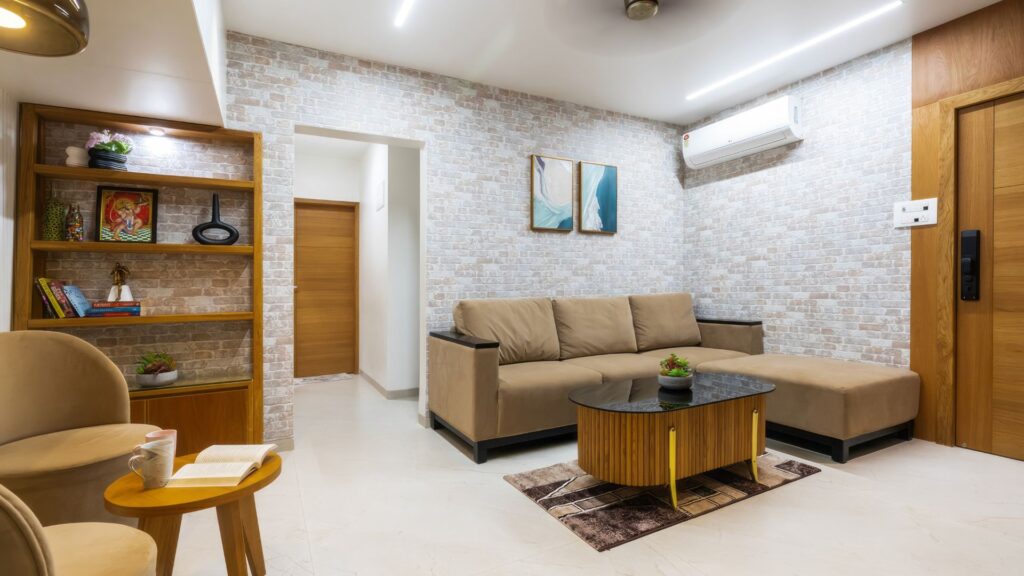
Dubai’s short-term rental market continues to grow as more visitors seek comfortable alternatives to hotels. Apartment owners across the city now recognize the financial potential of listing their homes as licensed vacation rentals. This guide explains how anyone can convert a Dubai apartment into a professional, high-performing holiday home that meets local regulations and attracts steady bookings.
The process requires knowledge of the legal framework, property standards, pricing strategies, and guest management. Each step plays a part in building a rental business that operates smoothly and delivers consistent returns. Therefore, by understanding the practical steps and following a clear plan, anyone can enter Dubai’s vacation rental market with confidence.
Obtain the Holiday Homes license from the Dubai Department of Economy and Tourism (DET/DTCM)
To operate a short-term rental in Dubai, every property owner must hold a Holiday Homes license from the Department of Economy and Tourism, also known as DET or DTCM. This license confirms that an apartment or villa follows city rules for safety, guest registration, and rental duration. Without it, owners risk heavy fines and delisting from popular booking platforms.
The process starts with registering the property on the DET online system. Owners provide ownership documents, floor plans, and Emirates ID copies. After inspection and fee payment, the department issues a permit linked to the property. The license must be renewed regularly to keep the listing active.
Many owners choose professional help through Airbnb vacation rental management in Dubai to streamline the process. These experts handle the permit, guest communication, and daily operations. This support allows property investors to focus on earnings while keeping their rental business fully compliant with Dubai’s tourism standards.
Guarantee your apartment meets local safety and furnishing standards for short-term rentals
Every apartment listed for short-term stays must follow Dubai’s safety codes. Local authorities require working smoke detectors, fire extinguishers, and clear emergency exit routes. Property owners should also verify that electrical systems, gas connections, and water heaters meet approved safety standards. These steps help protect both guests and owners from legal or safety issues.
Furnishings must meet basic quality and sanitation rules. All furniture should be safe, clean, and in good condition. Soft items such as mattresses and couches should be free of tears or stains, while appliances must operate correctly. Simple, sturdy pieces create a comfortable and functional space for guests.
In addition, the apartment should include standard amenities such as secure locks, proper lighting, and first-aid materials. Hosts who maintain these rules can gain permits faster and build guest trust. Regular property checks help confirm that the apartment stays compliant and ready for visitors.
Set competitive pricing based on location and seasonality in Dubai’s market
Pricing directly affects how often a vacation rental gets booked. Owners in Dubai must study similar short-term rentals in their building or nearby areas to see how prices shift across the year. Apartments close to beaches, malls, or event venues often justify higher rates due to stronger demand.
Local seasonality also shapes rental value. During winter, Dubai attracts more visitors, raising average nightly rates. In contrast, summer brings lower demand, so adjusting prices to stay attractive helps maintain occupancy.
Smart hosts track competitor listings and update rates regularly to reflect real market trends. Tools that compare live pricing data or booking platforms can make adjustments faster and more precisely. By aligning price with both location and season, owners can increase bookings and maintain stable income throughout the year.
Create a standout listing with professional photos and detailed descriptions
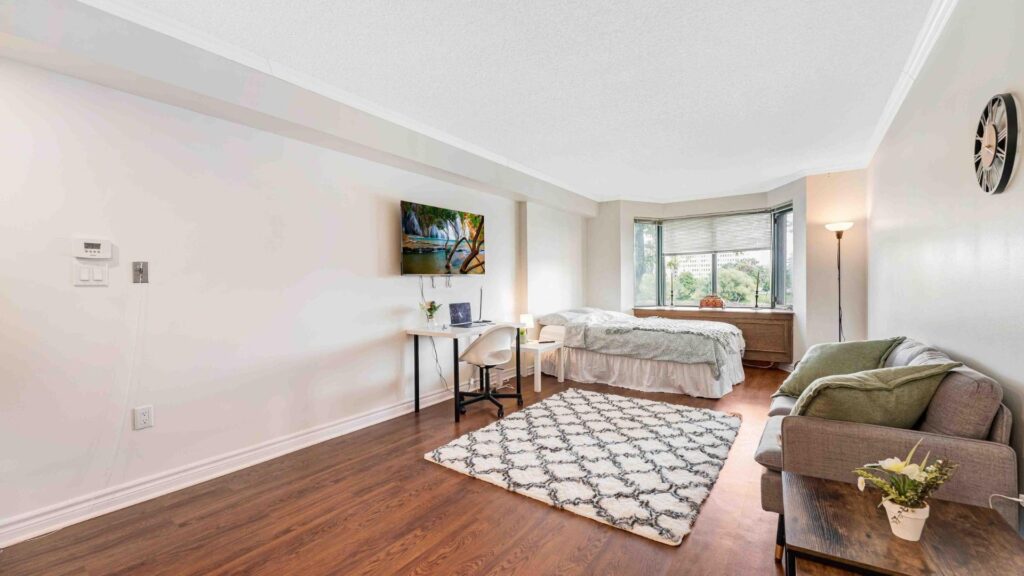
High-quality photos set the first impression. They help guests see the space clearly and trust what they view online. Natural light, tidy rooms, and accurate angles can highlight the apartment’s best features. A professional photographer can capture spaces in a way that feels both real and welcoming.
Detailed descriptions give context to each photo. They help guests picture how they might use each space. For example, a short line about the view from the balcony or the comfort of the living area can make a difference. Each sentence should focus on what makes the apartment comfortable and practical.
Accuracy matters in every detail. Clear descriptions about amenities, layout, and nearby attractions can reduce guest questions and build trust. The more transparent the information, the more confident guests feel about booking. This combination of honest visuals and precise text can help the listing attract steady attention and positive reviews.
Implement a guest communication system to improve responsiveness and satisfaction
A clear communication system helps guests feel confident before, during, and after their stay. It allows hosts to answer questions quickly, provide updates, and handle issues without delay. Fast and consistent replies often lead to better reviews and higher repeat bookings.
Automated tools such as message templates or scheduled replies can help manage frequent questions about check-in times or amenities. These tools save time while keeping communication personal through small touches like addressing guests by name.
Consistent communication across text, messaging apps, and email builds trust. Guests appreciate clear directions, reminders, and follow-ups that help them plan their stay smoothly. Therefore, a good system should connect easily with booking platforms and property management tools.
Feedback collection after checkout also adds value. By asking guests about their experience, hosts can identify patterns and make small changes that raise satisfaction over time.
Closing Remarks
Success in turning a Dubai apartment into a vacation rental depends on smart preparation, legal awareness, and consistent upkeep. Each step, from registration to guest management, shapes how well the property performs in a competitive short-term rental market.
Property owners who follow clear steps, stay informed about local laws, and maintain quality standards tend to attract steady bookings. This results in better guest reviews and higher returns.
With the right approach, the apartment can serve as both an enjoyable space for travelers and a steady income source for the owner. Careful planning and attention to detail help the business grow with confidence and stability.