

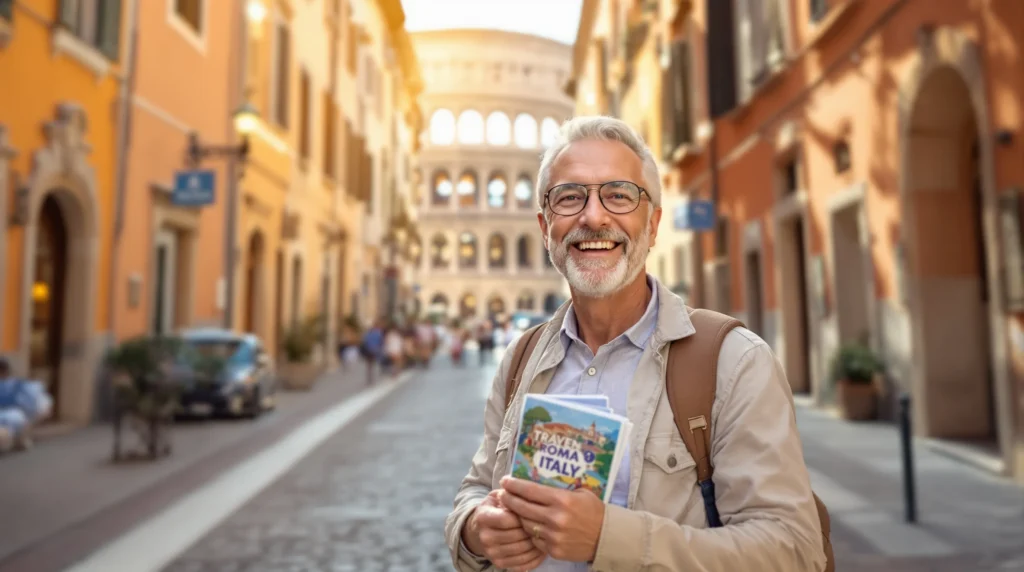
Picture this: You’re standing in a tiny Roman café, espresso in hand, sunlight streaming through ancient stone. The barista grins, and you realize—this is the Italy you’ve dreamed about. But if you’re like most travelers, you’ve also made a few rookie mistakes. Maybe you ordered a cappuccino after lunch and got a raised eyebrow. Or you tried to see Venice, Florence, and Rome in three days and ended up exhausted, missing the magic. If you want real tips for travel to Italy, the kind that save you time, money, and embarrassment, you’re in the right place.
Who Should Read These Tips for Travel to Italy?
If you want to experience Italy beyond the tourist traps, this guide is for you. Maybe you’re a first-timer, or maybe you’ve been before but want to go deeper. If you love food, art, and a little chaos, keep reading. If you want everything to run on time and hate surprises, Italy might test your patience. But if you’re open to adventure, you’ll find magic in the details.
Timing Your Trip: When to Visit Italy
Here’s the part nobody tells you: Italy’s magic changes with the seasons. Summer brings crowds and heat—think 95°F in Rome and lines at every gelato shop. Spring and fall? That’s when Italy shines. Fewer tourists, mild weather, and locals who aren’t burned out from the high season. If you can, aim for April to early June or September to October. Winter has its own charm, especially in cities like Venice and Florence, but some coastal spots shut down.
Planning Your Itinerary: Less Is More
It’s tempting to cram every city into one trip. Don’t. The best tips for travel to Italy start with slowing down. Pick two or three regions and savor them. For example, spend four days in Rome, then head to Umbria for hill towns and wine. Or split your time between Florence and the Tuscan countryside. You’ll remember the lazy afternoons in a piazza more than a blur of train rides.
Sample Itinerary for First-Timers
- Rome: 4 days (history, food, Vatican)
- Florence: 3 days (art, markets, day trip to Siena)
- Venice: 2 days (canals, cicchetti, getting lost)
Here’s why: Each city deserves time. Rushing means you’ll miss the real Italy—the conversations, the hidden bakeries, the quiet moments.
Getting Around: Trains, Cars, and Walking
Italy’s trains are fast and mostly reliable. For most cities, trains beat driving. Buy tickets in advance for high-speed routes like Rome to Florence. For small towns, rent a car—but only if you’re comfortable with narrow roads and creative parking. In cities, walk as much as possible. You’ll stumble on street art, tiny churches, and the best gelato shops. Trust me, your feet will hurt, but your heart will be full.
Pro Tip: Validate Your Train Ticket
If you buy a paper ticket, stamp it in the little yellow machine before boarding. Fines are real, and conductors don’t care if you’re a tourist. I learned this the hard way—20 euros poorer, but wiser.
Eating in Italy: Rules, Surprises, and Joy
Let’s break it down. Italians take food seriously. Breakfast is light—usually just coffee and a pastry. Lunch is sacred, and dinner starts late. Don’t expect to eat before 7:30 pm. Want to blend in? Never order a cappuccino after 11 am. It’s an unspoken rule. And don’t ask for parmesan on seafood pasta. The waiter might refuse, or worse, give you a lecture.
How to Find the Best Food
- Avoid restaurants with photos on the menu
- Look for places packed with locals, not tourists
- Try regional specialties—like cacio e pepe in Rome or ribollita in Florence
Here’s a mistake I made: I once ordered pizza in Milan, expecting Naples-level greatness. It was fine, but not life-changing. Each region has its own food heroes. Ask locals what’s best.
Money Matters: Cash, Cards, and Tipping
Italy loves cash, especially in small towns and markets. Always carry some euros. Most places take cards, but don’t count on it. ATMs are easy to find, but avoid airport machines—they charge higher fees. Tipping isn’t required, but rounding up or leaving a euro or two for good service is appreciated. Don’t stress about it.
Language: How Much Italian Do You Need?
You don’t need to be fluent, but a few words go a long way. Learn “buongiorno” (good morning), “per favore” (please), and “grazie” (thank you). If you try, Italians will meet you halfway. I once butchered a sentence in a Florence bakery, but the owner smiled and gave me an extra pastry. Effort matters more than perfection.
Staying Connected: Phones and Wi-Fi
Most hotels and cafes offer free Wi-Fi, but it’s not always fast. If you need reliable data, buy a local SIM card or an eSIM before you go. It’s cheaper than roaming. Google Maps works well, but download offline maps just in case. You’ll thank yourself when you’re lost in Venice’s alleys at midnight.
What to Pack: Essentials and Surprises
- Comfortable shoes (you’ll walk miles)
- Light layers (weather changes fast)
- Power adapter (Italy uses type C, F, and L plugs)
- Reusable water bottle (tap water is safe and free)
- Small day bag (for markets and museums)
Here’s the part nobody tells you: Dress codes matter. Many churches require covered shoulders and knees. Bring a scarf or light jacket, even in summer. I once got turned away from the Duomo in shorts—lesson learned.
Staying Safe and Healthy
Italy is safe, but pickpockets love crowded spots like train stations and tourist sites. Keep your bag zipped and your phone in your front pocket. If you need a pharmacy, look for a green cross sign. Most pharmacists speak English and can help with minor issues. Tap water is safe everywhere, so skip the bottled stuff.
Unique Tips for Travel to Italy: What Most Guides Miss
- Don’t just see the sights—join a local festival or market
- Take a cooking class or food tour for real connection
- Visit lesser-known towns like Orvieto, Matera, or Bologna
- Slow down—spend an hour people-watching in a piazza
- Ask questions—Italians love to share their culture
If you’ve ever felt overwhelmed by guidebooks, remember: The best tips for travel to Italy come from small moments. The taste of fresh mozzarella, the sound of church bells at dusk, the kindness of a stranger when you’re lost. That’s the real Italy.
Next Steps: Make Your Trip Unforgettable
Start with these tips for travel to Italy, but make them your own. Leave room for surprises. Say yes to invitations. Try the weird-looking pastry. Get lost on purpose. Italy rewards curiosity and patience. If you’re open to it, you’ll come home with stories you can’t wait to share—and maybe a few lessons learned the hard way. Buon viaggio!