

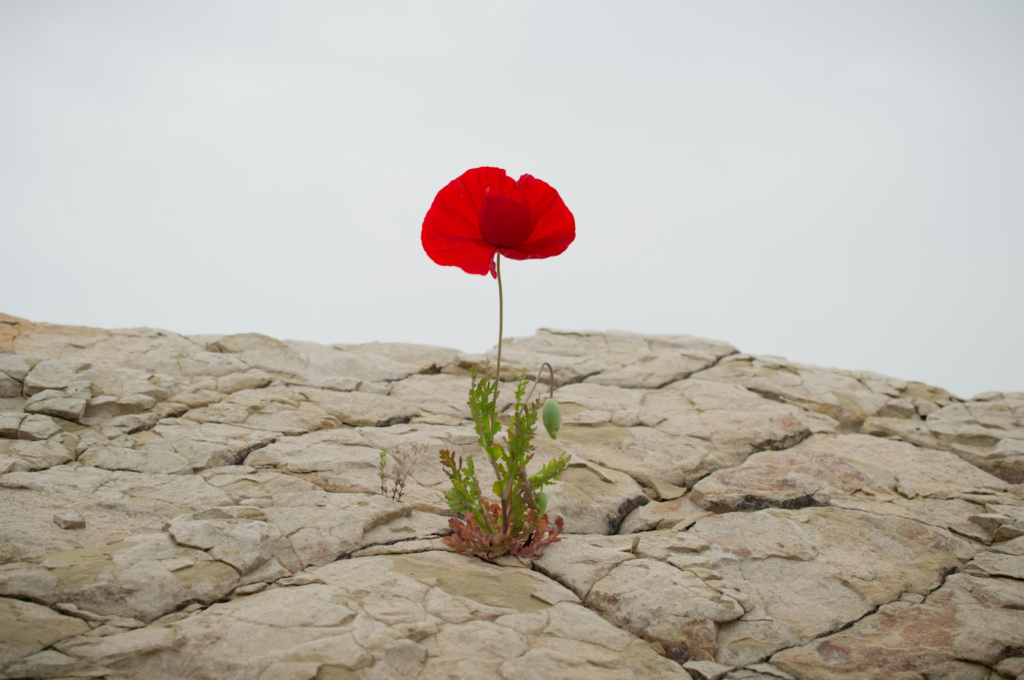
Resilience isn’t about being “tough” like granite; it’s more like a rubber band. It is the ability to return to your original shape after life stretches you thin. This “bounce back” skill is built during quiet, ordinary moments, not just major crises. By practicing small daily shifts, you expand your “window of tolerance”—the amount of stress you can handle before snapping.
For those seeking structured support, the Liven platform provides tools to build these psychological muscles through consistent habit-tracking. You don’t need a perfect life to be resilient; you simply need to teach your brain that you can survive life’s little bumps.
Step 1: Write Down One “Small Win” Each Night
Our brains are naturally wired with a “negativity bias,” making us remember one failure more vividly than ten successes. To build resilience, you must intentionally counteract this by practicing “self-efficacy”—the belief in your ability to handle challenges.
When you trust your own problem-solving skills, you are less likely to give up during hard times.
Before bed, spend one minute noting one thing you handled well. It doesn’t need to be a major achievement; staying calm during a minor tech glitch or choosing a healthy meal counts. By documenting these “small wins,” you build a mental library of evidence that proves you are capable.
This habit shifts your focus from what went wrong to what you did right.
Step 2: Try to Find the “Silver Lining” in Small Problems
Resilience is not just about what happens to us; it is about the story we tell ourselves about what happened. This is called “cognitive reframing.” When something bad happens, our first thought is often, “This is a disaster.” This thought triggers a massive stress response in the body. If you can change the thought, you can change the emotion that follows.
The next time a plan gets canceled or you get stuck in traffic, try to find one hidden benefit. Instead of being annoyed that your dinner plans fell through, tell yourself: “Now I have an extra hour to catch up on my favorite show” or “Now I can save some money by eating at home.”
You aren’t lying to yourself; you are simply choosing to look at a different part of the truth. This trains your brain to look for opportunities instead of just obstacles, making you much harder to discourage.
Step 3: Use the “10-Second Pause” Rule
When we are stressed, our “feeling brain” (the amygdala) often takes over and tries to make decisions for us. This usually leads to snapping at a loved one, sending a mean email, or giving up on a goal. Resilience is the ability to stay in control even when your emotions are running high. The best way to do this is to create a tiny gap of time between a “trigger” and your “reaction.”
When you receive a frustrating text or discover a mistake at work, force yourself to wait ten seconds before you type a single word or take any action. Take a slow breath and count to ten. This tiny pause gives your “thinking brain” (the prefrontal cortex) time to catch up with your emotions. It allows you to respond with logic rather than just reacting with anger or fear. The more you practice this pause, the more control you have over your life.
Step 4: Reach Out for a “Mini-Connection”
There is a common myth that resilient people are “lone wolves” who do everything themselves. In reality, the most resilient people are those who know how to lean on others. Humans are social creatures, and our brains are wired to feel safer when we are connected to a group. Social support acts as a “buffer” against the physical damage that stress can do to your body.
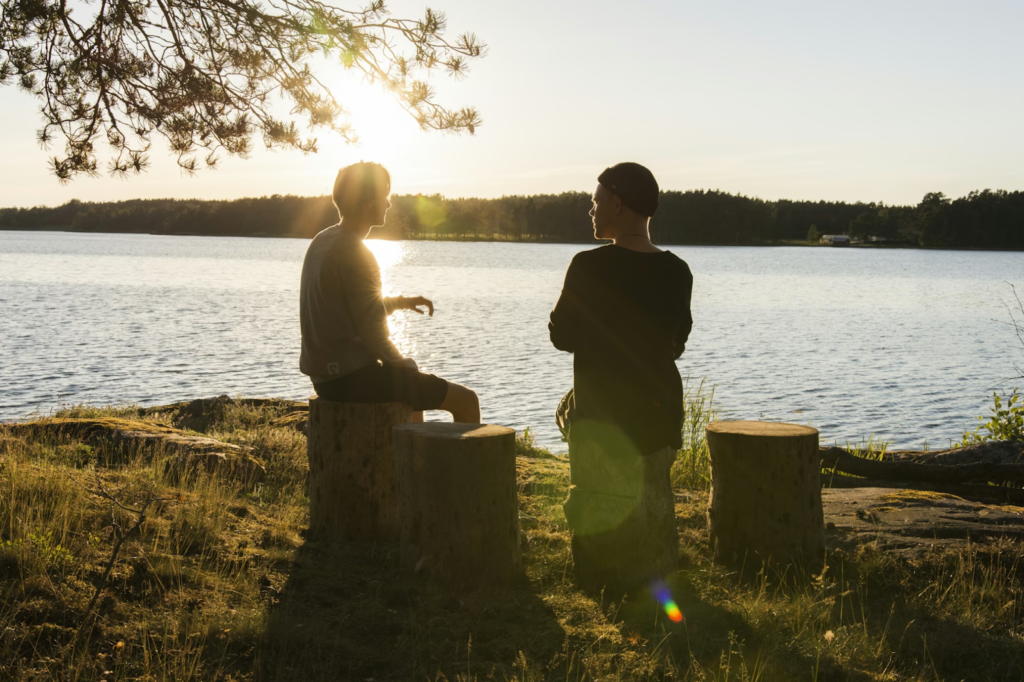
You don’t need to have a deep, emotional conversation every day to feel this benefit. Simply reaching out for a “mini-connection” is enough. Send a quick “thinking of you” text to a friend, or spend two minutes chatting with a neighbor about the weather.
These small interactions release a hormone called oxytocin, which naturally lowers your stress and makes you feel more secure. Knowing that you are part of a community makes your internal “inner anchor” much stronger.
Step 5: Do One Small “Hard Thing” on Purpose
Resilience is also about “physical grit.” If you always avoid discomfort, your nervous system becomes very sensitive to even small amounts of stress. By choosing to do something slightly uncomfortable on purpose, you are showing your body that a little discomfort is not a disaster. You are proving to yourself that you can survive difficult moments.
Try to pick one small “hard thing” to do every day. This could be taking the stairs instead of the elevator, or turning the shower to cold for the last 30 seconds. When you feel that urge to quit or move back to comfort, stay with it for just a moment longer. This builds “physical grit,” which slowly teaches your mind that you are capable of enduring hard things.
When a real crisis eventually happens, your brain will remember: “I’ve handled discomfort before, and I can handle it again.”
Resilience is a Muscle
Inner strength is built through small, daily choices, not overnight. It is a muscle that grows every time you pause, find a silver lining, or celebrate a small win. You don’t need a stress-free life to be resilient; daily challenges are actually the best opportunities to practice. You aren’t just surviving; you are training for a better future.
Keep making these intentional choices, and eventually, you won’t just “bounce back”—you will bounce forward, becoming even stronger than you were before.