

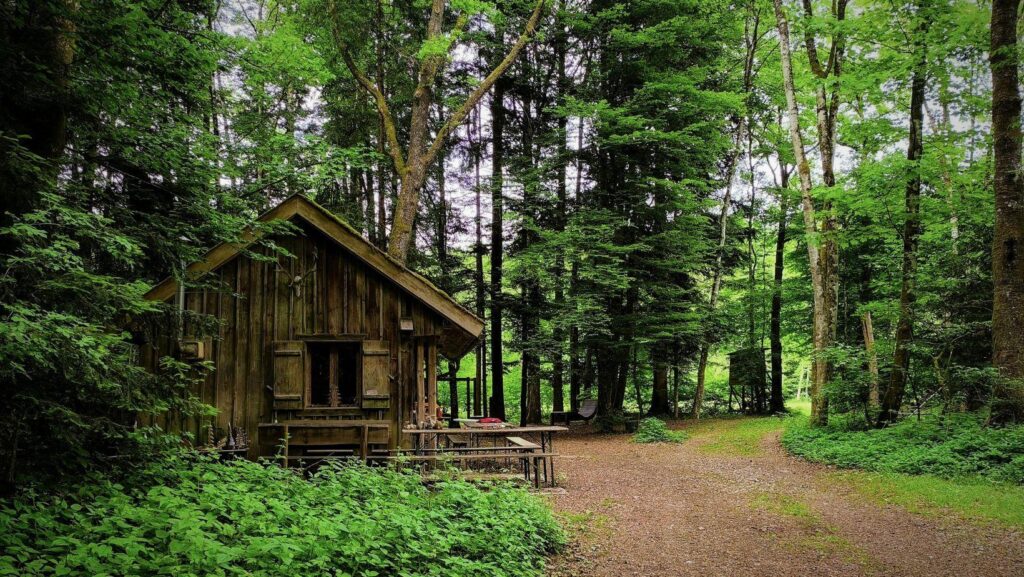
Blue Ridge cabin rentals put you within reach of some of the most scenic mountain terrain in the eastern United States, from the rolling peaks of North Carolina to the forested hills of northern Georgia. Whether you’re planning a romantic weekend for two or a family reunion that needs six bedrooms and a game room, the Blue Ridge region has an option for you.
Key Takeaways
- The Blue Ridge region offers cabin rentals across a wide range of sizes, from intimate one-bedroom retreats for couples to large lodge-style properties that accommodate twenty or more guests.
- Pricing is driven by four main factors: location within the region, elevation and view quality, amenity stack, and seasonal demand. October weekends and holiday periods regularly run 40 to 80 percent above baseline rates.
- Booking directly through a local property management company can offer better customer service and more detailed local expertise compared to booking through a major listing platform, though both routes have legitimate advantages.
- Road conditions, cell service quality, and internet reliability vary significantly between properties and are worth confirming with the host before you commit, especially if you need connectivity for remote work or have a low-clearance vehicle.
- The section of the Blue Ridge corridor closest to your planned activities should anchor your search. Driving time between a cabin and a trailhead, river, or town center adds up quickly across a multi-day trip.
- Reading recent guest reviews and communicating directly with the host or rental company before booking remains the most reliable way to avoid the gap between how a property photographs and how it actually performs.
Why the Blue Ridge Mountains Draw So Many Cabin Renters
The Blue Ridge corridor stretches roughly 550 miles along the Appalachian spine, cutting through Virginia, North Carolina, Georgia, and Tennessee. That geography alone explains a lot. You’re never far from a waterfall, a hiking trailhead, a fly-fishing creek, or a town square lined with local restaurants and craft breweries. Unlike beach destinations that live and die by one season, this region delivers something worth booking in every month of the year.
Fall foliage draws the biggest crowds, typically peaking in mid-October at the higher elevations. Spring brings wildflowers and rushing waterfalls fed by snowmelt. Summer offers cooler temperatures compared to the cities below, which is a major selling point for anyone fleeing Atlanta, Charlotte, or Raleigh. Winter, meanwhile, turns the cabins into cozy retreats with fireside evenings and occasional snow dusting the ridgelines.
The rental market here reflects that year-round demand. Inventory is broad, pricing varies considerably by season and amenity level, and the competition among rental companies has pushed most properties to offer solid quality standards. That said, there are real differences between hosts, platforms, and cabin types that are worth understanding before you book.
What Cabin Sizes and Styles Are Actually Available
One thing first-time renters sometimes underestimate is just how much variety exists within the Blue Ridge cabin rental market. You are not limited to a single-room hunting shack or a generic vacation house with a mountain-themed throw pillow. The range is genuinely wide.
Studio and one-bedroom cabins are ideal for couples seeking privacy. These typically include a full kitchen, a hot tub on the deck, a fireplace, and dramatic views. Pricing during off-peak periods can be quite accessible, making them popular for anniversary trips and spontaneous long weekends.
Two to four-bedroom cabins hit the sweet spot for small families and friend groups. Most in this size range include multiple bathrooms, an open-concept living and dining area, a full kitchen, and outdoor space. Many also include amenities like pool tables, fire pits, and screened porches.
Large group cabins seating eight to twenty or more guests are a staple of the region. These properties often function more like mountain lodges, with theater rooms, multiple decks, hot tubs that seat ten, and enough parking for a convoy of SUVs. If you are organizing a family reunion, a corporate retreat, or a multi-family vacation, this tier is worth exploring seriously.
The architectural style also varies. True hand-hewn log construction gives a different atmosphere than modern A-frame builds or contemporary mountain homes with floor-to-ceiling glass walls. The latter have become increasingly popular among renters who want mountain views without sacrificing a minimalist interior aesthetic.
Understanding Pricing and What Drives It
Pricing for Blue Ridge cabin rentals follows a relatively predictable logic once you know the variables at play.
Location within the region matters significantly. Cabins within a short drive of Blue Ridge, Georgia, or Boone, North Carolina, or near sections of the Blue Ridge Parkway command higher rates because of proximity to popular attractions and the draw of those specific town names in search results.
Elevation and views are a real pricing factor. A cabin at 3,500 feet with a long-range ridgeline view will be priced higher than a comparable cabin tucked into a wooded hollow at 1,800 feet. That difference can be meaningful, especially if sunrise views or stargazing are priorities for your trip.
Amenity stack is often the biggest driver. Hot tubs, pools, home theaters, arcade machines, EV chargers, and pet-friendly policies all add to the rate. A cabin with a private heated swimming pool can rent for two to three times the nightly rate of a comparable property without one.
Seasonality creates predictable spikes. October weekends in peak foliage season book out months in advance and carry premium pricing. The weeks between Thanksgiving and New Year’s are similarly tight. Spring break periods and July Fourth weekends are high-demand as well. If your schedule is flexible, targeting January through early March (outside of holiday weekends) typically offers the lowest rates and the fewest availability constraints.
Minimum stay requirements are common. Many properties require a two-night minimum on weekdays and a three-night minimum on weekends, particularly during high season. Some larger properties enforce a four- or five-night minimum throughout peak periods.
How to Compare Rental Companies and Booking Platforms
You have two main routes for booking: major listing platforms like Airbnb, Vrbo, and Hipcamp, or going directly through local property management companies.
The platform route offers aggregated inventory, user reviews, and standardized cancellation policies you can compare side by side. The tradeoff is that platform fees often add 10 to 14 percent to the listed price, and you may have less direct communication with the property manager before arrival.
Booking directly through a local company often means better customer service, more detailed local knowledge, and sometimes lower effective pricing because the service fee structure is different. Companies like Mountain Mama Cabins specialize in curated properties in specific areas of the Blue Ridge region and can match you with a cabin based on your group’s specific needs rather than algorithm results.
For a broader selection across the Georgia and North Carolina sections of the mountains, Blue Sky Cabin Rentals maintains a large inventory with detailed filtering tools that let you sort by pet policy, hot tub availability, view type, and group size simultaneously.
When evaluating any company or listing, pay close attention to the following:
- Cancellation policy: Does it offer a full refund if you cancel more than 30 days out? Some mountain rental policies are more restrictive than standard platform defaults.
- Cleaning fees: On shorter stays, a flat cleaning fee of $200 to $350 is not unusual and can meaningfully change the per-night effective cost.
- Check-in process: Most mountain cabins use keypad entry now, but verify this and get the code communication timeline in writing.
- Pet policies and fees: If you’re traveling with a dog, confirm the policy explicitly. Many cabins charge a separate pet fee of $50 to $150 per stay.
- Parking capacity: If you have multiple vehicles, confirm the parking situation, especially for properties on steep private roads.
The Activities and Attractions That Shape Your Cabin Choice
Where you choose to stay within the Blue Ridge corridor should connect to what you actually plan to do. The region is large enough that picking the wrong base can cost you hours of driving.
If hiking is central to your trip, consider proximity to specific trail systems. The Appalachian Trail runs through the region, but so do dozens of state park trail networks in Virginia and North Carolina. Cabins near Asheville, North Carolina put you within range of Black Balsam Knob and Max Patch, two of the most photogenic bald summits in the southern Appalachians.
For water-based recreation, the Toccoa River near Blue Ridge, Georgia is a well-regarded trout fishery and float trip destination. The Nantahala River in western North Carolina draws whitewater kayakers and rafters from across the Southeast. A cabin within 15 miles of either puts you in a strong position for early morning activity before the crowds build.
For town access and dining, Blowing Rock, NC, Dahlonega, GA, and Brevard, NC each offer walkable downtowns with good restaurants, wine bars, and weekend events. If the town experience matters to your group as much as the cabin itself, factor drive time from your rental to these centers.
For seclusion and star visibility, the most remote properties in the Brushy Mountains area of North Carolina or on private forest land in the Chattahoochee-Oconee region of Georgia offer some of the darkest skies in the eastern U.S., which makes them exceptional for stargazing.
Practical Details That Most Renters Overlook
A few operational realities of mountain rentals are worth flagging because they catch first-timers off guard.
Cell service and internet: Do not assume connectivity. Some cabins advertise Wi-Fi but sit in hollows with weak signal. If remote work or video streaming is important, confirm the internet situation with the host before booking, and ask specifically whether the connection is satellite, cable, or cellular hotspot.
Road conditions: Many Blue Ridge properties sit at the end of unpaved mountain roads. In winter or after heavy rain, a two-wheel-drive sedan can struggle on steep gravel grades. Ask whether the access road requires clearance or all-wheel drive. Some hosts strongly recommend AWD or 4WD as a condition of occupancy.
Propane and firewood: Cabins with gas grills or fire pits may or may not include propane or firewood in the rental rate. Some hosts include a starter bundle; others charge separately. Clarify this before arrival so you are not hunting for a propane exchange station at 9 p.m. in a rural mountain county.
Noise and wildlife: The mountains are genuinely quiet, and that adjusts your expectations. Neighbors may be closer than the wooded setting implies. Black bears are present throughout the region. Store food and trash according to posted instructions at the property.
Comparing Cabin Types at a Glance
|
Cabin Type |
Best For |
Typical Nightly Range |
Key Amenities |
|
Studio / 1-Bed |
Couples, romantic getaways |
$120 to $220 |
Hot tub, fireplace, mountain view |
|
2 to 3-Bed |
Small families, friend trips |
$200 to $400 |
Full kitchen, deck, fire pit |
|
4 to 6-Bed |
Large families, groups |
$350 to $700 |
Pool table, multiple baths, large deck |
|
Lodge (7+ Bed) |
Reunions, retreats |
$600 to $1,500+ |
Theater room, pool, multiple hot tubs |
Rates reflect general off-peak estimates and vary by location, season, and specific property. October peak weekends and holiday periods can run 40 to 80 percent above these baselines.
The Blue Ridge region rewards a little planning. Knowing your group size, your priority activities, the dates that fit your budget, and the difference between booking through a platform versus a local specialist will get you significantly closer to a rental that actually delivers on the mountain escape promise rather than one that looks great in photos and disappoints on arrival. Take the time to read recent reviews, communicate with the host or rental company directly, and confirm the specifics that matter most to your trip before you commit.
Things to Know
- Peak foliage season in the Blue Ridge Mountains typically runs from early October through late October depending on elevation, and cabins during this window book out months in advance. If you want a specific property for fall, start looking in July or August.
- Many mountain rental properties impose a damage deposit hold on your credit card at check-in, separate from the rental payment. This hold can range from $200 to $500 and is released within a few days of checkout, but it is worth knowing before you arrive so it does not catch you off guard.
- Not all cabins that advertise a “mountain view” deliver the same experience. Some listings use that phrase to describe a partial glimpse of a ridgeline through trees. Ask the host specifically whether the view is long-range and unobstructed, or request a photo taken from the deck at the time of year you plan to visit.
- Pet-friendly designations often apply to one or two dogs under a specific weight limit. If you have a large dog or multiple pets, confirm the exact policy before booking rather than assuming the pet-friendly label covers your situation.
- Checkout times at mountain cabins tend to be earlier than hotel industry standards, often 10 or 11 a.m., because cleaning crews have to travel significant distances to remote properties and need time to prepare the cabin for the next arrival the same day.
- Travel insurance is genuinely worth considering for mountain cabin bookings, particularly for fall and holiday peak seasons when cancellation policies are strictest and deposits are largest. A weather event, illness, or road closure can make a non-refundable booking painful without coverage.
Frequently Asked Questions
When is the best time of year to book Blue Ridge cabin rentals for the lowest prices?
The lowest rates typically occur in January through early March, outside of Martin Luther King Jr. weekend and Presidents’ Day weekend.
Do most Blue Ridge cabin rentals allow dogs?
Many do allow dogs, but pet policies vary considerably between properties and should always be confirmed before booking.
How far in advance should you book a Blue Ridge cabin for a fall foliage trip?
For October peak foliage weekends, booking three to six months in advance is strongly recommended, and some popular properties fill even earlier than that.
What is the difference between booking through Airbnb or Vrbo versus a local Blue Ridge rental company?
Booking through a local company often provides more personalized service and local expertise, while major platforms offer standardized reviews, buyer protections, and aggregated inventory.
What amenities should you prioritize when choosing a Blue Ridge cabin rental?
The amenities worth prioritizing depend entirely on your group’s goals, but hot tubs, reliable internet, and verified long-range views consistently appear as the factors that most affect guest satisfaction.