

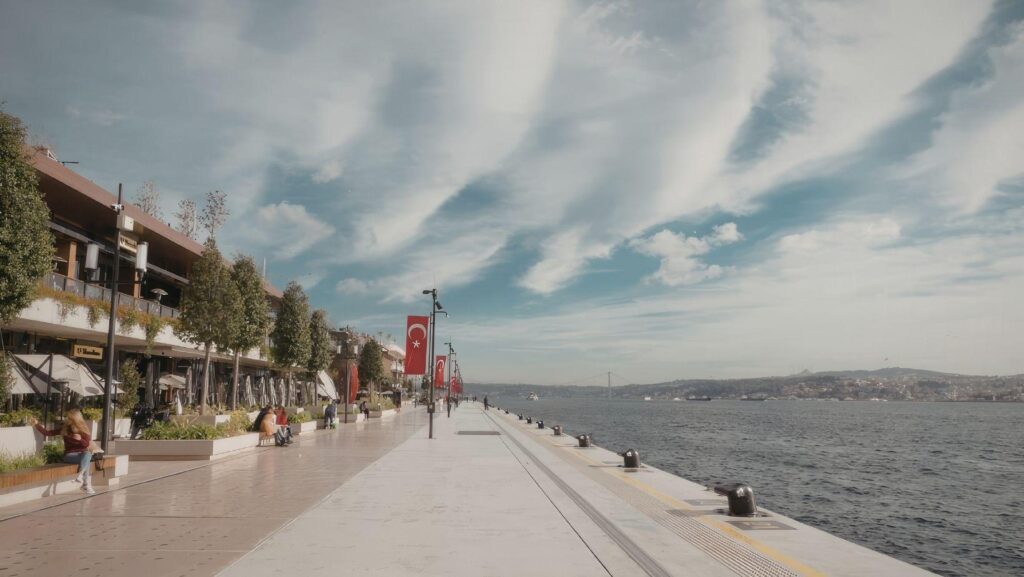
The waterfront recreation industry has grown a lot as more people are taking part in outdoor activities. It offers both relaxation and adventure. Simply put, boating, swimming, and paddle sports, along with lakeside gatherings, have become more prevalent across coastal and inland destinations worldwide.
Latest industry data reveals that the recreational boating industry and marina development have witnessed substantial growth over recent years. The demand for accessible floating structures that enable safe water entry and support leisure activities has increased as a result of this growth. Today we will discuss the factors that has contributed towards this success.
Typically, a floating swim platform is a simple recreational structure that adapts to fluctuating water levels and seasonal shoreline conditions. Compared to fixed docks, these platforms rise and fall with water movement, maintaining consistent access points for swimmers. As a result, this ability to adjust makes them the best option for coastal locations and lakes where water levels fluctuate. Today, modern platforms use modular sections that enable expansion, seamless installation, and effective customization based on your creative requirements and property size.
Safety is one of the main reasons that so many waterfront property owners have opted for floating platforms. Providing stable, level entry points will help minimize the risk of slipping. It will also allow users to enter the water gradually rather than jumping off a steep shoreline. Multiple floating platforms are typically built with slip-resistant surfaces, wide walkways, and balanced buoyancy systems to ensure stable positioning. According to the U.S. Coast Guard, increasing the number of safe access points to recreational waterways can reduce accidents.
Floating recreational platforms are constructed from high-quality materials engineered for long-term, weather-resistant use in outdoor settings. The addition of high-density polyethylene to flotation units, along with aluminum frames and composite decking, has greatly improved protection against corrosion, sunlight, and marine growth.
Therefore, the need for maintenance of these products is lower than that of traditional wood dock structures. In a 2025 study by the International Marina Institute on marine infrastructure, an interesting insight was shared. It was determined that modular floating dock systems generally exceed the life expectancy of traditional wood dock systems. Additionally, it also maintains structural integrity in varying water conditions.
Wrapping it up
When it comes to new-age waterfront recreation spaces, floating platforms are an obvious choice. They are preferred because of their durability, convenience, and safety. Additionally, they feature an adaptable design that enables them to perform well on lakes, coastal areas, and rivers, making them ideal for water activities.
Today, investment in recreational infrastructure is increasing, thereby boosting the adoption of this device among tourism service providers, marinas, and homeowners. If you want to know more about floating dock systems, you can browse through websites like furthercustoms.com and read what they have to offer. You can also compare products and decide which one to invest in based on your budget and requirements. The right one makes all the difference.