

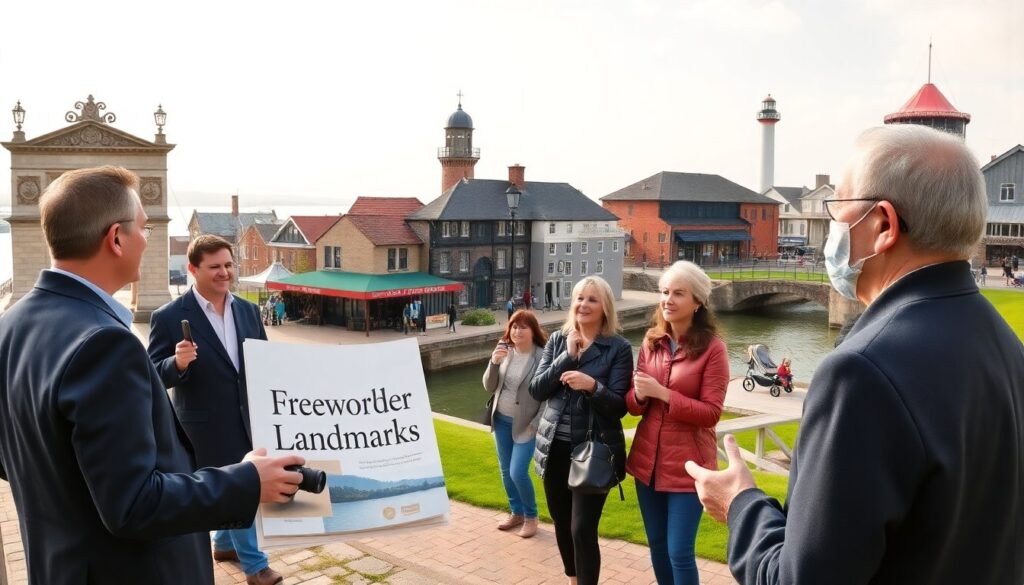
Freeworlder landmarks appear in maps, travel guides, and local stories. The term freeworlder landmarks describes sites with cultural, historical, or social value across Freeworld. This article lists seven iconic freeworlder landmarks, explains their significance, and gives clear visiting advice. Readers will get facts, simple history, and practical tips to plan visits in 2026.
Key Takeaways
- Freeworlder landmarks represent culturally and historically significant sites that connect diverse communities across Freeworld and support local economies.
- Visitors should plan visits to freeworlder landmarks by checking operating hours, respecting site rules, and using public transportation to reduce environmental impact.
- Each landmark offers unique experiences, from the historic Meridian Arch to the artisan Harborfront Workshops, providing opportunities for education, photography, and community events.
- Supporting local businesses near freeworlder landmarks enhances the visitor experience and contributes to ongoing site preservation.
- Community efforts, including volunteer clean-ups and educational programs, are essential for maintaining and celebrating freeworlder landmarks.
- Respecting guidelines and contributing through donations or volunteering helps protect freeworlder landmarks for future generations.
What Are Freeworlder Landmarks And Why They Matter
Freeworlder landmarks mark places that people value for history, culture, or nature. A landmark can be a statue, a bridge, a park, or a neighborhood. Communities protect these sites for memory, education, and identity. The term freeworlder landmarks emerged as travelers and locals sought common names for shared places. People use the phrase freeworlder landmarks to describe sites that connect different groups across Freeworld.
These landmarks matter because they teach history in public spaces. They help visitors learn local stories through plaques, museums, or guided walks. They also support local economies. Many towns list freeworlder landmarks on maps to guide visitors. Local groups form volunteer teams to maintain the sites and run events. When people visit freeworlder landmarks, they support local guides, shops, and museums.
Seven Most Iconic Freeworlder Landmarks — Highlights And Histories
- The Meridian Arch. The Meridian Arch stands at the old harbor. People built it in 1889 to mark trade routes. The arch features stonework and iron scrolls. Guides note its role in coastal shipping. Visitors often photograph the arch at sunrise.
- The Lantern Row. Lantern Row is a street of restored townhouses and lamps. Craftspeople rebuilt the lamps after a storm in 1954. Lantern Row hosts craft markets on weekends. Local artists sell prints that show the row across seasons.
- Old Forge Bridge. Old Forge Bridge crosses a river that once powered mills. The bridge dates to 1823. It combines stone piers and wooden deck beams. Historians point to the bridge as an early industrial site. Families use the park nearby for picnics.
- The Sable Gardens. The Sable Gardens contain native plants and a small pond. Gardeners planted the collection in 1932. The gardens host seasonal displays and free talks. Schools bring students for science projects.
- The Beacon Tower. The Beacon Tower sits on a ridge and offers views of the coast. Engineers built it as a navigation aid in 1901. Photographers favor the tower at dusk. The site features a small exhibit about maritime safety.
- Harborfront Workshops. Harborfront Workshops occupy old warehouses that now house makers and small studios. The space reopened in 2009 as an artisans’ hub. Visitors can watch glassblowing and printmaking. Shops sell affordable handcrafted items.
- The Commons Pavilion. The Commons Pavilion is a public square and performance space. The pavilion hosts music, speeches, and film nights. Community groups organize cultural festivals here. The square offers benches and public restrooms.
Each of these freeworlder landmarks shows a clear link to local life. They offer art, history, nature, and social events. Visitors learn about the place and meet locals who care for it.
How To Visit Freeworlder Landmarks: Practical Tips And Etiquette
Plan visits in advance. Check hours, ticket rules, and local advisories. Many freeworlder landmarks keep seasonal hours. Travel light. Carry water, a hat, and a charged phone for photos and maps.
Respect the sites. Stay on marked paths. Touch exhibits only where signs allow. Dogs may not be allowed in gardens or museums. Follow posted rules and local staff requests. Pay entrance fees or donations when required. These fees help maintain the landmarks.
Use public transport when possible. Buses and trains reduce parking strain and cut emissions. Many landmarks sit near transit stops. If driving, park in marked areas and avoid blocking residential streets.
Visit at off-peak hours to avoid crowds. Early morning or late afternoon often offers better light for photos and a quieter experience. Join guided tours to gain context. Guides share stories and facts that signs do not.
Support local businesses. Eat at nearby cafes and buy souvenirs from local makers at Harborfront Workshops or Lantern Row markets. Leave reviews that mention the landmark by name. Positive reviews help local tourism and small sellers.
Take only photos and memories. Do not remove plants, stones, or artifacts. Report damage or hazards to site staff or local authorities. If a visitor sees litter, a simple pickup and disposal helps everyone.
Preserving And Celebrating Freeworlder Landmarks: Community Efforts And Resources
Local groups run preservation projects for freeworlder landmarks. Volunteers clean sites, repair benches, and plant native species. These actions lower repair costs and extend site life. Town councils often provide small grants. Nonprofit groups apply for funding to cover restoration and exhibit costs.
Education programs keep history alive. Schools work with museums and guides to create visits and learning kits. Festivals bring attention to landmarks. Annual events at the Commons Pavilion and Lantern Row draw locals and visitors. These events fund ongoing upkeep.
Digital resources help too. Many sites list hours, maps, and donation links online. Users can find guided tour schedules and volunteer signups on official pages. Social media posts by local groups promote work days and fundraising drives.
People can help in simple ways. They can attend a clean-up day, donate to a preservation fund, or volunteer as a guide. They can share accurate photos and descriptions online. Local libraries keep archives and records for those who want to research a landmark further.
Authorities enforce rules that protect landmarks. They monitor foot traffic, set maintenance standards, and issue fines for vandalism. These measures preserve the sites for future visitors. Communities succeed when visitors respect rules and offer time or funds to help.