

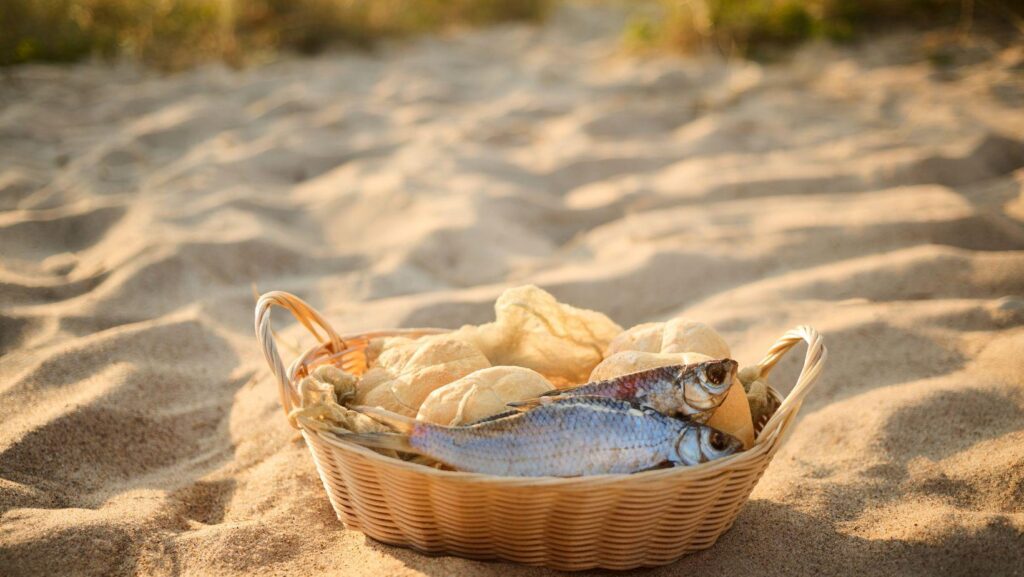
Myrtle Beach food is defined by fresh coastal seafood, casual beachside dining, and a surprisingly deep lineup of local specialties that go well beyond the tourist-trap buffets. Whether you’re spending a long weekend along the Grand Strand or planning a full week with the family, knowing where to eat makes a real difference in how you experience the trip.
Key Takeaways
- Myrtle Beach food is anchored by fresh coastal seafood, particularly local shrimp, oysters, and blue crab, but the broader dining scene has expanded well beyond that core into quality pizza, BBQ, breakfast, and dessert.
- Making dinner reservations in advance is essential during peak summer months, especially June through August, when popular restaurants along the Grand Strand fill up quickly.
- South Carolina’s mustard-based BBQ sauce is a regional specialty that distinguishes local barbecue from what most visitors are used to, and it’s worth trying even if you’re skeptical.
- Lunch is consistently the best value window at most restaurants, offering scaled-down menu options at lower prices with shorter wait times than dinner service.
- Ice cream, funnel cakes, and Southern dessert staples like pecan and sweet potato pie are a legitimate and enjoyable part of the eating experience here, not an afterthought.
- Venturing slightly off the main tourist corridors, particularly away from the busiest sections of Highway 17, almost always results in better food at lower prices and a less hurried dining experience.
Why the Dining Scene Here Runs Deeper Than You’d Expect
Most visitors assume Myrtle Beach is all chain restaurants and fried shrimp baskets, and while those definitely exist, the local food culture has grown considerably over the past decade. The Grand Strand stretches roughly 60 miles along the South Carolina coast, and within that corridor you’ll find an enormous variety of eating options: Lowcountry kitchens, family-owned seafood shacks, wood-fired pizza spots, craft barbecue joints, and dessert shops that regulars plan their trips around.
The local food economy is driven heavily by seasonal tourism, which means most restaurants put real effort into standing out. Places that don’t deliver tend not to survive the off-season. That competitive pressure has actually worked in the diner’s favor, pushing more kitchens to source locally, sharpen their menus, and offer something memorable rather than generic.
If you’re planning your meals ahead of time, browsing a solid list of Myrtle Beach restaurants before you arrive is the smartest way to avoid wasting a dinner on somewhere forgettable.
The Seafood You Should Be Eating
Seafood is the backbone of Myrtle Beach food culture, and it’s where the area genuinely shines. The proximity to the Atlantic means that local shrimp, oysters, flounder, and blue crab show up on menus in ways that feel authentic rather than imported. Shrimp in particular is a staple, and you’ll find it prepared every way imaginable: boiled, fried, grilled, tossed in butter and garlic, or served in a classic Lowcountry boil alongside corn, sausage, and red potatoes.
Lowcountry boil, sometimes called Frogmore Stew, is the dish most closely tied to the regional identity of coastal South Carolina. It’s communal, messy, and completely satisfying. Many local restaurants serve it as a shared pot meant for the whole table, which makes it a natural fit for family vacations.
Oysters are another high point. Raw bars along the Grand Strand pull in local shellfish, and roasted oyster nights at certain casual spots have become a tradition for repeat visitors. If you’ve only ever had oysters at a formal restaurant, eating them at a picnic table near the water with a cup of drawn butter is a different experience entirely.
Crab legs are a fixture of the all-you-can-eat seafood buffets that line Restaurant Row and other heavily trafficked areas. These buffets get a mixed reputation, and honestly, some of them deserve it. But others, particularly the independently owned ones that have been around for years, offer genuine value, especially when you’re feeding a large group that wants variety without the math of individual entrees.
Pizza, BBQ, and the Non-Seafood Options That Hold Their Own
Not everyone in your group is going to want seafood for every meal, and that’s a reasonable position. The good news is that the pizza and barbecue scenes along the Grand Strand have improved significantly. Wood-fired crust, locally sourced toppings, and house-made sauces have become more common, replacing the generic pie shops that dominated for years.
If you’re hunting for the best slice in the area, taking time to read up on the best pizza in Myrtle Beach before you go will save you from settling for mediocre options when genuinely good ones are within a short drive.
Barbecue in South Carolina occupies its own cultural category. The state is famous for its mustard-based BBQ sauce, which is a regional variation that catches many visitors off guard if they’re used to tomato-based Kansas City style or the vinegar-forward sauces of eastern North Carolina. Several spots along the Grand Strand do pulled pork and smoked brisket well, with sides like collard greens, mac and cheese, and hush puppies rounding out the plate.
Burgers, tacos, and fresh-catch fish sandwiches also deserve a mention. The casual food landscape in Myrtle Beach has expanded in quality over time, and a well-made fish taco or locally sourced burger at a neighborhood spot can be just as satisfying as a sit-down dinner, often at a fraction of the cost.
Breakfast and Brunch Worth Getting Out of Bed For
Breakfast along the Grand Strand punches well above what you’d expect from a beach resort town. Locally owned diners have perfected the art of the Southern breakfast plate: fluffy biscuits with sausage gravy, shrimp and grits, country ham with red-eye gravy, and eggs cooked to order. Grits in particular are a dividing line between Myrtle Beach regulars and first-time visitors. If you’ve never had stone-ground grits prepared properly, with butter, salt, and a skim of rendered fat from andouille or country sausage, breakfast here may be the meal you end up talking about longest.
Brunch culture has also taken hold, particularly in areas like North Myrtle Beach and the Market Common district. Spots serving specialty pancakes, avocado-forward dishes, and locally sourced egg plates have attracted a loyal weekend crowd. Lines form early at the most popular places, so arriving by 9 a.m. on a Saturday is not an overreaction.
|
Meal Type |
Popular Dishes |
Best Area to Find Them |
|
Breakfast |
Shrimp and grits, biscuits and gravy, country ham |
North Myrtle Beach, Market Common |
|
Seafood |
Lowcountry boil, fried shrimp, local oysters |
Restaurant Row, waterfront spots |
|
Pizza |
Wood-fired pies, NY-style slices |
Central Myrtle Beach, North Strand |
|
BBQ |
Mustard-base pulled pork, smoked brisket |
Inland spots, casual road-side joints |
|
Dessert |
Soft-serve, hand-scooped ice cream, funnel cake |
Beachfront, North Myrtle Beach strips |
Desserts, Sweet Treats, and the Ice Cream Question
No serious tour of Myrtle Beach food would be complete without factoring in dessert. The beachfront atmosphere was practically designed for hand-held sweets: funnel cakes, salt water taffy, fresh waffle cones, and soft-serve that you eat while your feet are still sandy. These are not sophisticated eating experiences, but they are genuinely fun ones, and fun counts for a lot when you’re on vacation.
Ice cream specifically has become something of a destination category in the northern end of the Grand Strand. If you’re spending any time in that area, exploring the best spots for ice cream in North Myrtle Beach gives you a solid map of where locals actually go rather than where the tourist foot traffic is heaviest.
Beyond ice cream, the dessert scene includes pie shops doing Southern classics like pecan and sweet potato, bakeries with made-from-scratch layer cakes, and beachside stands running frozen banana and chocolate-dipped soft-serve. None of this is diet food, and nobody visiting Myrtle Beach in the summer is particularly worried about that.
How to Handle Restaurant Row and the Crowded Corridors
Restaurant Row is the informal name for a stretch of Highway 17 Bypass where dozens of restaurants cluster together. It’s convenient, heavily trafficked, and a mixed bag in terms of quality. You’ll find well-established chains alongside independent spots, and the sheer volume of options can make choosing feel paralyzing when you’re tired after a day at the beach.
The practical approach is to make at least a couple of dinner reservations in advance, particularly if you’re traveling during peak summer weeks in June, July, or August. Popular spots along the Grand Strand fill up early, and waiting an hour in humidity with hungry kids is not the vacation memory you’re after. Many restaurants now take reservations through their own websites or through third-party booking platforms, making this easier than it used to be.
For lunches and casual meals, walking or driving slightly off the main strips often rewards you with better food at lower prices. Locals tend to avoid the busiest tourist corridors for everyday eating, and following that instinct even as a visitor usually pays off.
Timing, Budgeting, and Practical Eating Decisions
Food costs in Myrtle Beach are broadly comparable to other major beach resort destinations on the East Coast, though you can spend very differently depending on your choices. A fried shrimp basket at a casual waterfront spot might run you $14 to $18. A sit-down dinner for two at a nicer seafood restaurant with drinks can easily reach $80 to $120 before tip. All-you-can-eat buffets typically land somewhere between $25 and $45 per person depending on the spread, and they can be solid value for big groups or families with large appetites.
Lunch tends to be the best value window in most restaurants. Many kitchens offer scaled-down versions of their dinner menu at noticeably lower prices, and the crowds are generally thinner between 11 a.m. and 1 p.m. on weekdays. If you’re working with a tighter budget, making lunch your main sit-down meal and keeping dinners casual is a strategy that works well without sacrificing quality.
Off-season visits, typically October through February, bring noticeably lower prices and shorter waits at restaurants that stay open year-round. Some of the most popular spots close or reduce hours during winter months, but those that stay open often deliver a quieter, more relaxed experience that regulars actively prefer to the summer rush.
South Carolina does not charge state income tax on food purchases at grocery stores, but restaurant meals are subject to state and local sales tax. In Horry County, where Myrtle Beach sits, that combined rate adds up to a meaningful amount on a larger restaurant bill, so it’s worth factoring in when budgeting for a week of dining out.
Myrtle Beach food rewards planning and a willingness to venture slightly off the beaten path. The seafood is the obvious anchor, the dessert scene is genuinely strong, and the non-seafood options have grown in quality to the point where every member of a group, regardless of preference, can eat well without compromise.
Things to Know
- The Grand Strand stretches roughly 60 miles, meaning “Myrtle Beach” restaurants can actually be a 20-to-30-minute drive from your hotel depending on where you’re staying. Always check the address before committing to a reservation.
- South Carolina’s mustard-based BBQ sauce is the regional default here, not tomato or vinegar. If you order pulled pork without asking, that’s what you’ll likely get, and first-timers are often surprised by how much they enjoy it.
- Many of the most popular seafood spots along Restaurant Row do not take reservations, operating on a first-come, first-served basis. Arriving before 5:30 p.m. on a summer evening is the practical way to avoid a long outdoor wait.
- The all-you-can-eat seafood buffet format is genuinely regional to this area. Not all buffets are equal in quality, and independently owned ones that have operated for years tend to outperform newer, flashier competitors by a noticeable margin.
- Shrimp and grits is listed on menus across every price tier in this area, from diner breakfast plates to upscale dinner service. The dish itself can vary dramatically in quality depending on whether the kitchen uses stone-ground grits or instant, so it’s worth asking.
- Off-season dining from October through February offers lower prices, shorter waits, and a more local crowd, but some beloved spots reduce their hours or close entirely. Calling ahead before making a trip to a specific restaurant is a good habit during those months.
Frequently Asked Questions
What type of food is Myrtle Beach most known for?
Myrtle Beach is most known for fresh coastal seafood, particularly local shrimp, oysters, and Lowcountry boil.
The area’s position along the South Carolina coast means that seafood is deeply embedded in the local food culture rather than being a generic tourist offering. Beyond seafood, the region is also recognized for its mustard-based BBQ, Southern breakfast staples like shrimp and grits, and a strong dessert scene that includes everything from hand-scooped ice cream to made-from-scratch Southern pies.
When is the best time to eat out in Myrtle Beach without long waits?
The best time to dine out with minimal waiting is during weekday lunches or during the off-season months from October through February.
Summer evenings, particularly on weekends in June, July, and August, bring the longest waits at popular spots along the Grand Strand. Arriving at restaurants before 5:30 p.m. on summer evenings significantly reduces wait times. Off-season visits offer a quieter, more relaxed experience, though some restaurants close or reduce hours during winter, so calling ahead is advisable.
Are there good non-seafood dining options in Myrtle Beach?
Yes, the non-seafood dining scene in Myrtle Beach has grown considerably and includes quality pizza, craft barbecue, burgers, tacos, and a strong breakfast and brunch lineup.
Wood-fired pizza spots, Southern BBQ joints serving smoked meats with mustard-based sauces, and casual burger and taco restaurants have all improved in quality over the past several years. The area is diverse enough that visitors who don’t eat seafood can eat well across every meal without feeling like they’re settling for second-best options.
How much should I budget per person for food in Myrtle Beach?
A reasonable daily food budget for one person in Myrtle Beach ranges from roughly $40 to $90 depending on the type of restaurants you choose.
A casual lunch at a beachside spot might run $14 to $20 per person, while a sit-down seafood dinner with drinks can reach $40 to $60 per person or more at nicer establishments. All-you-can-eat seafood buffets typically cost between $25 and $45 per person and can offer strong value for larger groups or families. Keeping lunches casual and saving the bigger budget for one or two special dinners is a practical strategy for the week.
Is it worth eating at the seafood buffets in Myrtle Beach, or should I skip them?
Seafood buffets in Myrtle Beach are worth trying, particularly the long-established independently owned ones, but quality varies significantly from one location to the next.
The best buffets in the area have been operating for years and maintain consistent quality in their crab legs, fried shrimp, and Lowcountry staples. Newer or more heavily commercialized buffets can disappoint with lower-quality seafood and repetitive offerings. Doing a quick search for locally recommended options before committing, rather than choosing based on signage or location alone, makes a noticeable difference in the experience.