
They plan mediterranean adventure greece freeworlder with clear goals. They pick islands, mainland, or a mixed route. They set a budget and a rough calendar. This guide gives direct steps for route choice, costs, packing, and top experiences. It focuses on practical tips for 2026 travel. Readers gain an efficient outline they can act on now.
Key Takeaways
- Planning a Mediterranean adventure in Greece starts with choosing a route—islands for beaches, mainland for archaeology, or a mixed itinerary for variety.
- Set a clear budget including accommodation, transport, food, and activities, and consider traveling in shoulder seasons like May–June or September–October to reduce costs and crowds.
- Pack light with essentials like sun protection, a power bank, and local SIM cards to stay connected and comfortable during your Greek adventure.
- Use ferries and local transport efficiently by booking flexible tickets, avoiding peak travel times, and planning travel legs under four hours.
- Prioritize key experiences such as Santorini’s sunsets, Peloponnese’s archaeological sites, and hiking in Mani to balance cultural depth and relaxation.
- Reserve accommodations and key activities in advance for peak months and carry emergency funds and digital copies of important documents for smooth travel.
Choose Your Greek Route: Islands, Mainland, Or Mixed Itinerary
They decide the route first. They weigh time, interests, and pace. If they want beaches and short hops, they choose islands. If they want archaeology and long drives, they choose mainland. If they want variety, they choose a mixed itinerary. They map major hubs like Athens, Santorini, Mykonos, Crete, and Peloponnese. They plan travel legs in logical order to reduce backtrack. They use ferries for island chains and buses or rental cars on the mainland. They keep at least two nights per stop for rest and one full day for key sites. They add buffer days for bad weather or delays. They note peak-season ferry and flight schedules. They buy flexible tickets when possible. They track distances and average travel time between stops to keep each travel day under four hours whenever possible.
Budgeting, Timing, And Travel Logistics For Freeworlders
They set a daily budget early. They list accommodation, food, transport, and activity costs. They use midrange hotels or guesthouses to balance comfort and cost. They reserve major stays in advance for July and August. They travel in May–June or September–October to lower costs and crowds. They compare low-cost flights, fast ferries, and night ferries for savings. They book ferries through official lines and trusted booking sites. They factor in airport transfers and island connection gaps. They carry a small emergency fund in cash for remote islands. They check visa rules, travel insurance, and health coverage for 2026. They register key documents digitally and carry photocopies. They monitor exchange rates and use cards with low foreign fees. They time activities for mornings or late afternoons to avoid heat and peak prices.
Practical Packing, Connectivity, And Local Transport Tips
They pack light and pack smart. They choose a carry-on and a daypack. They include neutral clothing, sun protection, and a light rain layer. They bring a power bank and universal adapter. They keep copies of reservations and ID in a cloud folder. They buy a local SIM or an EU data plan for steady connection. They download offline maps and schedules before departure. They use public transport in cities and ferries between islands. They rent a car for Peloponnese roads and Crete drives. They book car rentals with full insurance where possible. They learn basic Greek greetings and transport phrases. They use apps for timetables, taxi booking, and ferry status. They secure valuables at night and lock luggage on ferries. They label luggage with contact details.
Top Experiences By Region: Where To Prioritize
They prioritize based on interest. They choose the Cyclades for iconic views and beaches. They choose Crete for varied landscapes and food. They choose the Peloponnese for ruins and drives. They choose Athens for museums and access. They balance time to allow deep experience in each region. They pick a highlight list per stop and reserve time for unplanned discovery.
Cyclades: Must-See Islands, Activities, And Time Allocations
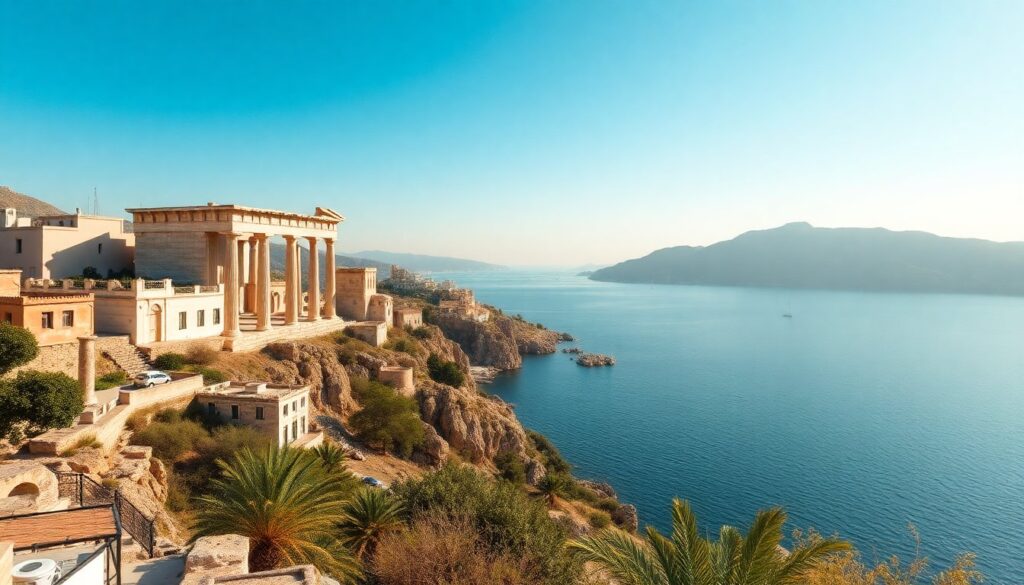
They visit Santorini for sunsets and archeology. They spend two to three nights in Santorini to see Oia, Fira, and Akrotiri. They visit Mykonos for nightlife and beaches for two nights. They add Naxos for local food and calm beaches for two nights. They use ferries to hop islands and check fast-boat options to save time. They book dinner reservations for peak season. They allocate mornings for sightseeing and afternoons for beaches. They plan one boat day for island exploration or a day trip to smaller islets. They carry water and sun gear for long walks on volcanic terrain.
Mainland & Peloponnese: History, Hiking Routes, And Road-Trip Plans
They drive the Peloponnese for Mycenae, Epidaurus, and Nafplio. They spend one night in Nafplio as a base for ruins. They schedule two to three days for archaeological sites and museums. They hike in the Mani region and around Mount Taygetos for two days. They plan a road trip through olive groves and coastal towns with daily drives under three hours. They visit Delphi from Athens on a day trip or an overnight stay. They spend two days in Meteora to visit monasteries and short hikes. They use local guides for some historical sites to deepen understanding. They check road conditions and fuel stops on remote routes.