

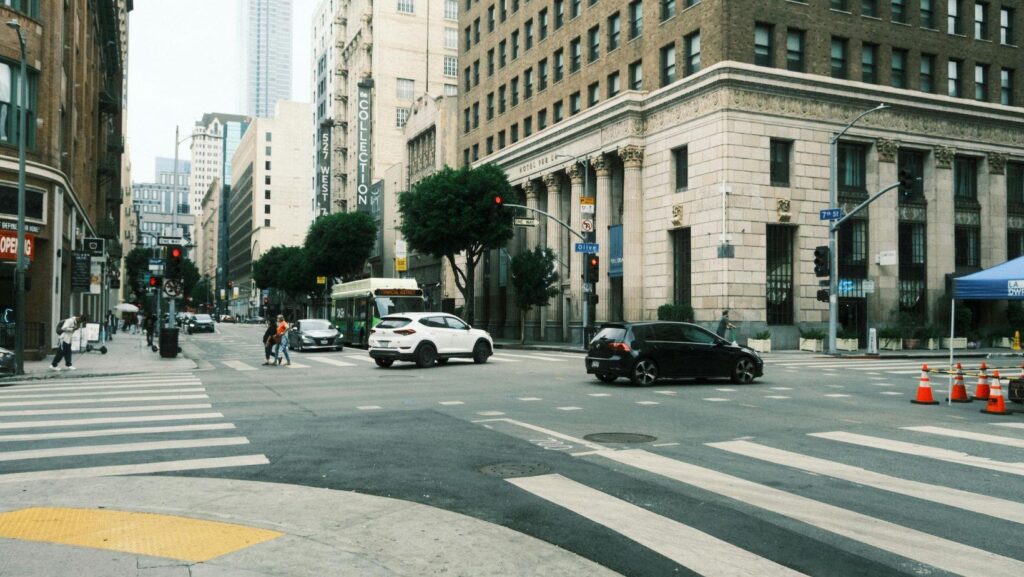
Every city has certain roads that drivers approach with extra caution. These locations often develop reputations for heavy traffic, confusing layouts, or a history of frequent collisions. While no roadway is completely free from risk, some areas consistently present greater challenges than others.
Busy urban environments create a unique mix of conditions that can increase accident potential. High traffic volumes, multiple turning movements, pedestrian activity, and constant lane changes all require drivers to process large amounts of information in a short period of time.
Conversations about dangerous roads and intersections in Atlanta often focus on locations where congestion and complex traffic patterns intersect. Understanding why these areas become problematic can help drivers anticipate risks and make safer decisions when navigating challenging roadways.
Heavy Traffic Creates Constant Pressure
Congestion is one of the biggest contributors to roadway risk in major metropolitan areas. When large numbers of vehicles occupy the same roads, opportunities for conflicts naturally increase. Drivers must constantly adjust their speed, position, and following distance.
Stop-and-go traffic can create frustration that leads some motorists to make aggressive decisions. Sudden lane changes, tailgating, and attempts to beat traffic signals often become more common when congestion levels rise.
Traffic volume also reduces the margin for error. A small mistake that might go unnoticed on a quiet road can quickly lead to a collision when vehicles are packed closely together. This is one reason busy intersections frequently experience higher accident rates.
Design Can Influence Safety Outcomes
The layout of a roadway plays a major role in how safely traffic moves through an area. Intersections with multiple turn lanes, unusual signal patterns, or limited visibility can increase confusion for both local drivers and visitors.
Short merge lanes and closely spaced intersections may also contribute to safety concerns. Drivers often have less time to react when entering traffic or making navigation decisions, especially during periods of heavy congestion.
Even experienced motorists can become uncertain when roadway designs are difficult to interpret. Clear signage, predictable traffic patterns, and good visibility help reduce confusion, while complicated layouts can increase the likelihood of errors.
Certain Behaviors Increase Risks Dramatically
Driver behavior remains one of the most significant factors affecting roadway safety. Speeding, distracted driving, and failure to yield are common contributors to collisions at busy intersections and along heavily traveled corridors.
Many accidents occur when drivers attempt to rush through yellow lights or make turns without sufficient space. These split-second decisions can create conflicts with oncoming traffic, pedestrians, or other vehicles entering the intersection.
Distractions are especially problematic in complex traffic environments. Looking at a phone, adjusting navigation, or focusing on something other than the road can cause drivers to miss critical information at the exact moment attention is needed most.
Cities Continue Looking For Solutions
Transportation officials regularly study crash patterns to identify locations that may benefit from safety improvements. Data helps reveal recurring issues and allows planners to focus resources where they are most needed.
Solutions may include redesigned intersections, improved traffic signal timing, additional turn lanes, enhanced lighting, or upgraded signage. In some cases, even relatively small changes can improve traffic flow and reduce collision risks.
Public education efforts also play an important role. Encouraging safe driving habits and increasing awareness of high-risk areas can help drivers make better decisions when approaching challenging roads and intersections.
Awareness Remains A Driver's Best Defense
Roadways develop dangerous reputations for many reasons. Heavy traffic, complex designs, driver behavior, and environmental factors often combine to create conditions where accidents occur more frequently than average.
While cities continue working to improve infrastructure, drivers still play a crucial role in roadway safety. Staying alert, maintaining safe following distances, and approaching busy intersections with caution can help reduce risks significantly.
Understanding what makes certain locations more hazardous allows motorists to prepare for potential challenges before they encounter them. A combination of awareness, patience, and defensive driving can go a long way toward navigating even the busiest roads more safely.