

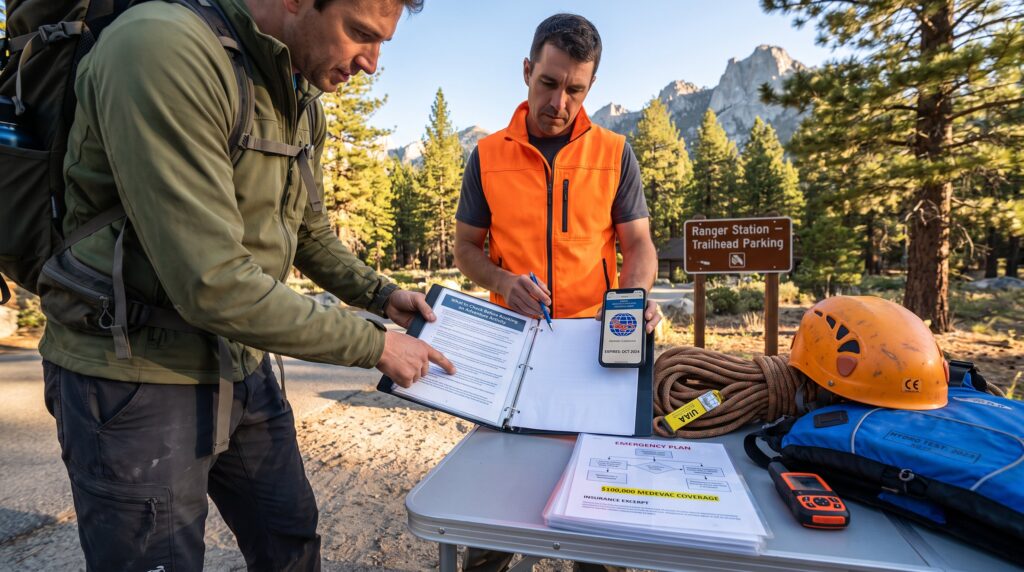
What to Check Before Booking an Adventure Activity is the question every planner should answer before paying a deposit. Travelers who rush into a canyon, a dive, or a glacier without matching skills or verifying an operator risk injury, costly evacuations, and wasted time. This guide lists seven focused checks that prioritize safety, clarity, and realistic expectations. Each section begins with the core insight, then explains how to verify it with concrete details, example questions, and quick red flags to watch for.
Key Takeaways
- Match the adventure activity to your current skill level and fitness by verifying the operator’s clear prerequisites and specific route details.
- Confirm the operator’s safety standards by requesting valid certifications, licenses, and a written safety policy to ensure professional risk management.
- Inspect the quality and maintenance of critical equipment by reviewing inspection logs, model information, and performing hands-on checks when possible.
- Understand all costs, cancellation terms, insurance coverage, and emergency plans fully before booking, securing written documentation for transparency.
- Choosing an operator with transparent documentation on permits, gear maintenance, and emergency protocols significantly reduces risks during adventure activities.
Match The Activity To Your Skill, Fitness, And Goals
Fact first: choose an activity and route that match past experience, not aspirations. If a hiker has only done 5 km weekend trails, signing up for a 30 km alpine traverse at 3,000 m is a mismatch.
How to check: read the operator’s stated prerequisites. Look for concrete requirements, hours of prior experience, necessary swimming distance, or minimum grip/technical skills. Ask the operator for route grade, elevation gain, day length, and expected pace. If they respond with vague phrases like “moderate” or “fit,” press for numbers: kilometers, vertical metres, hours on feet.
A real example: one climber reported being asked to solo a 200 m exposed ridge: the operator listed only “intermediate” skill. That mismatch led to a last-minute cancellation. Honest disclosure prevents that, disclose medical issues (asthma, recent surgeries), altitude sensitivity, and fear of heights.
Red flags: no clear prerequisites, last-minute upsells to “guide only” options, or pressure to sign waivers without discussing skill fit. Practical tip: if unsure, pick a lower grade or ask for a private guide for the first outing. Those wanting more background can turn to the trip Planning guide for the fuller picture.
Verify Operator Safety Standards And Certifications
Fact first: a trustworthy operator documents certifications, insurance, and safety policies. Operators that can’t produce evidence are a risk.
What to request: copies or reference numbers for licenses, listings with national tourism boards, and certifications tied to the activity (e.g., PADI for diving, IRF for rafting, national mountaineering body accreditations). Ask when certifications were last renewed and for a written safety policy or risk-management plan.
Why it matters: documented systems show the operator treats safety as repeatable work, not luck. A guide who improvises a rescue without formal training raises the odds of error.
Practical check: ask for the company registration number and confirm with local tourism authorities. For overseas trips, request proof they use certified subcontractors.
Red flags: refusal to share documents, inconsistent company names on paperwork, or safety claims without dates. For best practice, compare the operator’s claims with independent resources and reviews.
External verification: principles for choosing responsible operators align with guidance from travel experts: use reputable resources to confirm an operator’s approach to safety, especially when certificates are unfamiliar. how to choose a responsible operator
Inspect Equipment, Gear Quality, And Maintenance Practices
Fact first: critical equipment must meet modern standards and have replacement records.
How to verify: request inspection logs showing dates for rope retirement, PFD recertification, cylinder hydro dates, and vehicle service records. Ask for brand and model details: look for EN or UIAA labels on climbing gear and CE-marked helmets. Demand to see backup gear lists and communications equipment (satellite phone, PLB) in writing.
Concrete numbers: ask how often ropes are retired (often every 2–5 years depending on use), when harnesses were last replaced, and when PFDs were certified. If an operator answers vaguely, treat that as a red flag.
Hands-on check: if meeting the operator before departure, inspect a sample harness or helmet. Check fit and visible wear. Modern standards and tidy logs reduce mechanical failure risk.
Vulnerable moment: one guide admitted they occasionally used older ropes to save costs, that honesty led the operator to change practices. Transparency usually correlates with better maintenance.
Understand Costs, Cancellation Policies, Insurance, And Emergency Plans
Fact first: get a full written cost breakdown and a stamped emergency plan before paying.
What to request in writing: inclusions (guide fees, gear, permits), exclusions (transport, tips), cancellation and refund rules (deadlines, weather vs. non-refundable clauses), and minimum-group policies. Confirm whether the operator carries liability insurance and the scope of that policy.
Insurance specifics: ask whether you need separate adventure travel insurance covering medical evacuation and activity-specific risks. If so, get exact policy wording for evacuation limits (for example, US$100,000 medevac). Operators sometimes carry limited cover that won’t cover helicopter rescue, verify carefully.
Emergency plan must-haves: designated emergency contact, nearest medical facility name and capacity, typical evacuation time to hospital, and who pays evacuation costs. Ask for a sample incident-response timeline.
Budgeting tip: combine the operator’s breakdown with a simple personal contingency fund, aim for 10–20% of trip cost reserved for unexpected evac or gear replacement. For planning budgeting specifics, consult practical budgeting advice when estimating total trip costs. budget planning
Conclusion
Book only when the activity, operator, gear, and finances align with clear, documented evidence. When operators share permits, maintenance logs, guide resumes, and a written emergency plan, travelers gain measurable reductions in risk. For readers wanting destination-level planning and extras like insurance or packing lists, FreeWorlder provides additional preparation articles and destination guides to help finalize safe, smart bookings.