

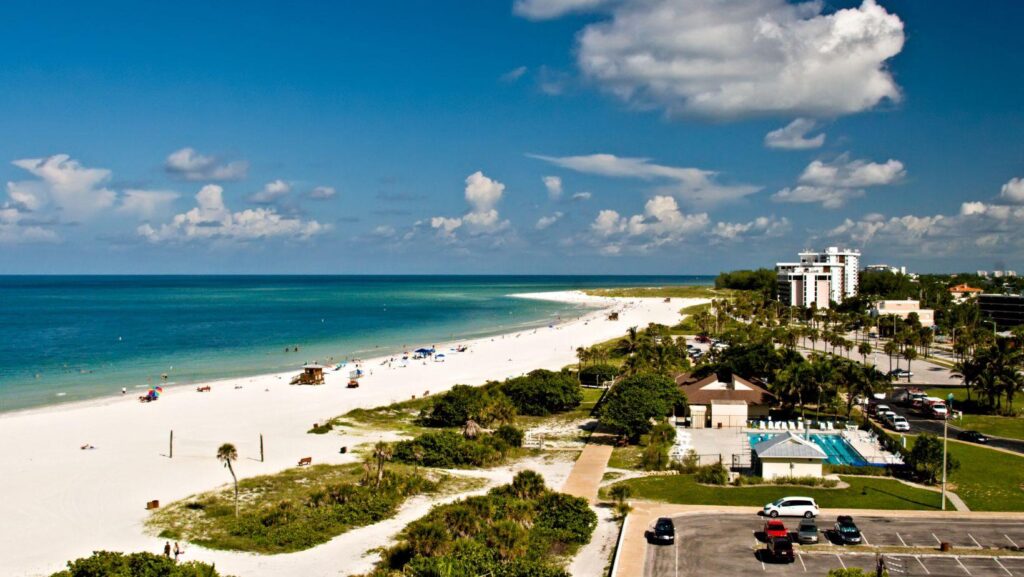
A Florida beach vacation experience combines warm weather, diverse coastlines, and a range of activities that suit everyone from solo travelers to large families. Whether you’re drawn to the sugar-white sands of the Gulf Coast or the wave-friendly Atlantic side, Florida offers something genuinely distinct at nearly every stretch of shoreline.
Key Takeaways
- Destination selection based on your group’s actual priorities matters more than choosing a famous name. A well-matched beach town consistently outperforms a prestigious but misaligned one.
- Shoulder seasons, particularly May and late October through November, offer the strongest combination of good weather, lower prices, and manageable crowd levels at most Florida beach destinations.
- A realistic all-in Florida beach trip budget must account for parking, activities, dining markups near the water, and accommodation taxes that often push the final cost 15% to 20% above the advertised rate.
- Practical preparation, including sun protection, red tide monitoring, understanding beach flag systems, and rip current awareness, meaningfully reduces the risk of a trip being disrupted by avoidable problems.
- Vacation rental properties frequently provide better value than hotels for groups of four or more, particularly when kitchen access is factored in against the high cost of daily restaurant dining near popular beaches.
Gulf Coast vs. Atlantic Coast: Knowing the Difference Before You Book
The single most important planning decision you’ll make is which coast to visit. Florida has two very different coastal personalities, and understanding that distinction upfront saves you both time and money.
The Gulf Coast, which runs along the western edge of the state through destinations like Clearwater, Sarasota, Naples, and the Florida Keys, is known for calm, shallow water and some of the finest sand in the country. The quartz-based sand stays cooler underfoot than most beach sand, which makes afternoon walks genuinely comfortable even in July. Gulf water temperatures tend to stay warmer longer into the fall season, making late September and October surprisingly good travel windows that many visitors overlook.
The Atlantic Coast, covering destinations like Daytona Beach, Cocoa Beach, Vero Beach, and Miami Beach, offers a more energetic character. Waves are larger and more consistent, which makes it a natural draw for surfers and bodyboarders. The beach towns themselves tend to be busier and more commercially developed, with a wider range of nightlife and dining options within walking distance of the water.
If you’re traveling with young children or older adults who want calm, shallow water for safe swimming, the Gulf side is almost always the better choice. If you want energy, surf, and proximity to major urban amenities, the Atlantic side delivers that more readily.
Choosing the Right Destination for Your Group
Florida has dozens of legitimate beach destinations, and each one carries a different character. Lumping them together as “the Florida beach” misses how much variation exists across roughly 1,350 miles of coastline.
Clearwater Beach, just west of Tampa, consistently ranks among the most popular beaches in the country. It has wide sand, calm Gulf water, a walkable pier district, and a solid infrastructure of hotels, restaurants, and beach rentals. It’s family-friendly without being dull, and the sunsets are genuinely spectacular nearly every evening.
Anna Maria Island, a small barrier island just south of Clearwater, offers a slower and more residential feel. It’s a good option for travelers who want a quieter setting without sacrificing Gulf Coast water quality. If you’re considering a rental property on that island, Anna Maria Island beach rentals are worth looking into early, especially if you’re planning a summer trip, since inventory on smaller islands moves fast.
The Florida Keys are a category of their own. Rather than traditional open ocean beaches, the Keys offer a reef-and-bay environment where the appeal is snorkeling, diving, kayaking, and the laid-back Caribbean-influenced culture. Key West sits at the southern tip and functions as a full destination in its own right, with historic architecture, a celebrated food scene, and a social atmosphere unlike anything else in Florida. Travelers planning a Keys trip often find that vacation rentals in Key West provide more space and local character than standard hotel rooms, which matters when you’re staying multiple nights.
Panama City Beach, in the Florida Panhandle, draws a younger crowd during spring break but is also a legitimate family destination outside of March and early April. The water there has a striking emerald-green color that surprises first-time visitors who expect the lighter turquoise of the Lower Gulf Coast.
When to Go: Season, Weather, and What Nobody Tells You
Timing your Florida beach vacation experience correctly makes an enormous difference in both cost and enjoyment. Florida operates on a clear tourism calendar, and knowing where you fall within that calendar shapes everything from hotel pricing to crowd levels at the water’s edge.
High season on the Gulf Coast runs from roughly December through April. Northern and Midwestern snowbirds fill the coastal towns during this window, and hotel rates reflect the demand. If you’re booking during January or February, expect to pay a premium and to share the beach with retirees who’ve been doing this for decades and know all the good spots.
Spring break, which spans most of March and into early April, creates a second surge. Families with school-age children and college students overlap during this period, and destinations like Clearwater, Fort Lauderdale, and Panama City Beach can feel genuinely crowded.
Summer is hot and humid, with afternoon thunderstorms arriving almost like clockwork between 3 and 5 p.m. most days from June through August. The rain is usually brief and intense rather than all-day, and mornings are almost always clear. Many families travel during summer because of school schedules, but it’s worth knowing that summer is also the core of Atlantic hurricane season, which runs from June 1 through November 30. The Gulf Coast sees the bulk of hurricane activity in August and September, though major direct hits on any specific destination remain statistically uncommon in any given year.
The shoulder seasons, specifically May and late October through November, offer the best combination of reasonable prices, manageable crowds, and good weather. Water temperatures on the Gulf remain comfortable well into November, and you’ll often find weekday rates that are significantly lower than peak-season pricing.
What a Realistic Budget Looks Like
Cost is where many Florida beach trips go sideways, particularly for families who underestimate the all-in expense beyond the flight. A realistic budget depends heavily on destination, accommodation type, and travel timing, but certain patterns hold consistently.
Accommodation is usually the largest line item. A hotel room in Clearwater or Miami Beach during peak season can run anywhere from $200 to $500 per night for a mid-range property near the water. Vacation rental homes and condos often provide better value for families or groups of four or more, since you get kitchen access that reduces dining costs and more physical space.
Dining near the beach in Florida ranges widely. A casual breakfast at a local diner typically runs $10 to $15 per person. A waterfront dinner with seafood and drinks can hit $60 to $80 per person without much effort. If you’re staying in a rental with a kitchen, building a few meals in and saving restaurant visits for dinners helps stretch the budget meaningfully.
Activities add up faster than most people expect. A parasailing session typically costs $65 to $90 per person. Jet ski rentals run $75 to $120 per hour depending on location. Snorkeling trips in the Keys or around the Gulf islands often start around $40 to $60 per adult. If you’re traveling with a family of four, a single activity day can easily add $300 to $500 to the trip total.
Parking at popular beaches is frequently metered or requires a daily pass, often running $5 to $25 per day depending on location. Clearwater Beach, for instance, has structured paid parking throughout its main beach corridor, and arriving after 10 a.m. on a weekend in season means competing for spots.
Practical Details That Shape the Trip
Beyond destination selection and budgeting, a handful of practical considerations consistently separate a smooth Florida beach trip from a frustrating one.
Sun protection is more serious than casual visitors assume. Florida sits at a lower latitude than most of the continental United States, and UV exposure is significantly higher than in northern states, especially from April through September. Dermatologists recommend SPF 30 or higher, applied before you get to the beach and reapplied every two hours. Reef-safe sunscreen is the standard expectation at most Florida coastal parks, particularly in the Keys, where coral reef protection has regulatory weight.
Red tide is a natural algal bloom that occurs along Florida’s Gulf Coast, particularly from late summer into fall. It produces respiratory irritation on shore and can cause fish kills and beach closures. Before finalizing your travel dates, it’s worth checking the Florida Fish and Wildlife Conservation Commission’s red tide monitoring reports, which are updated regularly and available online at no cost.
Beach flag systems are used at guarded beaches throughout the state. A green flag means calm conditions. Yellow indicates moderate surf or currents. Red signals high surf or strong currents and advises against swimming. Double red means the water is closed to swimmers entirely. Always check the flag at the entrance to any guarded beach before entering the water, regardless of how calm the surface looks from shore.
Jellyfish are a seasonal reality on both Florida coasts. The Gulf Coast typically sees cannonball jellyfish in late summer and fall, while the Atlantic side can have Portuguese man o’ war washed up after certain wind conditions. Neither should panic you out of the water, but knowing how to respond and having a plan is part of being a prepared visitor.
Matching Beach Type to What You Actually Want
The most common mistake people make when planning a Florida beach vacation experience is selecting a destination based on brand name recognition rather than actual fit. Miami Beach is one of the most famous beaches in the world, but its crowded, see-and-be-seen culture is a very poor match for someone wanting a relaxed, low-key coastal getaway.
Conversely, a traveler who wants nightlife, world-class dining, and an energetic social scene will find the quiet residential feel of Sanibel Island or Captiva Island unfulfilling, no matter how beautiful the shells on the beach happen to be.
Spending ten minutes mapping your group’s actual priorities, whether that’s calm water, nightlife, wildlife, dining, outdoor activities, or simply quiet relaxation, against the genuine character of each destination makes a bigger difference than almost any other planning step. Talk to people who have been to your shortlisted destinations recently, read verified reviews from the last twelve months, and cross-reference multiple sources before committing to a booking.
The diversity of Florida’s coastline is genuinely one of its strongest assets. The challenge is that the variety requires intentional selection. A thoughtful Florida beach vacation experience is rarely accidental. It’s the product of matching the right destination to the right traveler at the right time of year, with a realistic budget and a few practical preparations in place before you ever land at the airport.
Things to Know
- Florida’s sales tax varies by county, and some coastal counties add a local tourist development tax on top of the state rate. When you see a nightly rental rate listed, the final invoice after taxes and fees can run 15% to 20% higher than the advertised price, so always request a full cost breakdown before confirming a booking.
- Rip currents cause the majority of beach-related drownings in Florida each year. The safest response if you’re caught in one is to swim parallel to the shore, not directly against the current toward the beach. Knowing this before you get in the water is not optional, especially if you’re traveling with children.
- Seagrass washing onto Gulf Coast beaches is a natural and healthy sign of a productive marine ecosystem, but it can be off-putting in appearance and smell during certain seasons. Destinations like the southern Lee County islands see more seagrass accumulation than heavily raked resort beaches, so if a pristine sand appearance is a priority for your trip, factor that into your destination choice.
- Florida’s public beach access laws guarantee the right to use the wet sand area between the water line and the high-tide mark at virtually all beaches, even in front of private properties. However, parking access and dry sand areas above the high-tide mark can be restricted. Knowing this distinction helps you navigate access in areas where private development crowds the shoreline.
- Shoulder season pricing on vacation rentals frequently requires a minimum stay of five to seven nights, while peak season properties often lock in seven-night Saturday-to-Saturday bookings. If your schedule doesn’t align with those windows, contacting property managers directly sometimes yields more flexible terms than booking through a third-party platform.
Frequently Asked Questions
What is the best time of year to visit Florida beaches for the first time?
Late April through mid-May offers the best overall conditions for a first-time Florida beach trip.
Which Florida beach is best for families with young children?
Clearwater Beach and Anna Maria Island are consistently the top choices for families with young children.
How far in advance should I book a Florida beach vacation?
For peak season travel between December and April, booking four to six months in advance is strongly recommended.
Is it safe to swim at Florida beaches during hurricane season?
Swimming during hurricane season is generally safe outside of active storm warnings, but it requires closer daily attention to conditions.
Are Florida beach rentals better than hotels for a week-long trip?
For trips of five nights or longer, vacation rentals typically offer better value and more comfort than standard hotel rooms.