

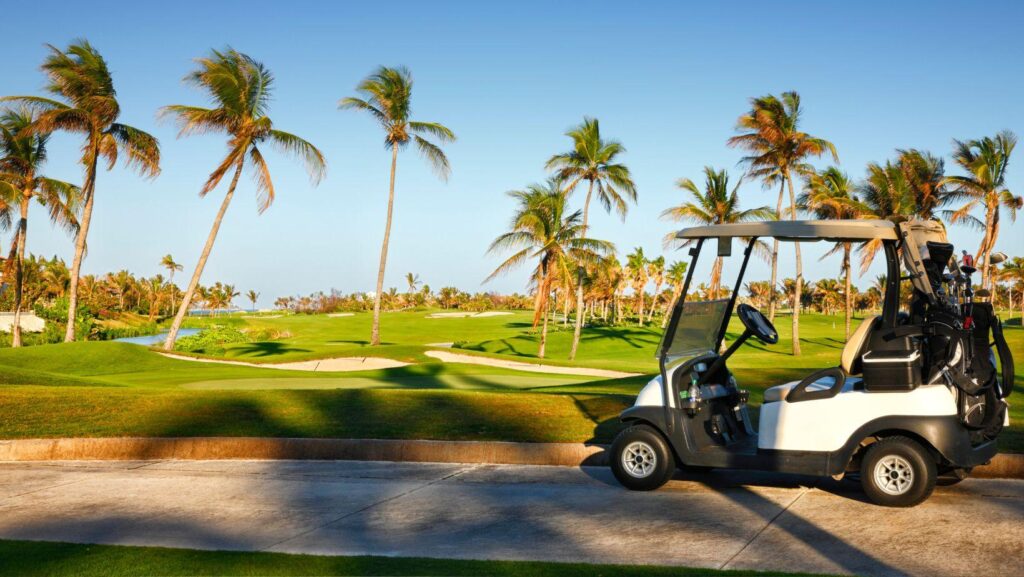
A Myrtle Beach golf vacation puts you in the middle of one of the most concentrated collections of golf courses in the United States, with over 80 courses spread across the Grand Strand. Whether you are a scratch golfer chasing championship layouts or a weekend player who just wants good conditions and ocean air, Myrtle Beach delivers options at nearly every price point and skill level.
Planning a trip here takes more thought than booking a random resort weekend, though. Courses vary enormously in quality, cost, and difficulty. Timing your visit correctly can save you hundreds of dollars per round. And choosing where to stay relative to the courses you want to play shapes the entire experience. This article covers all of it in plain terms so you can build a trip that matches your budget and your game.
Key Takeaways
- Myrtle Beach offers over 80 public-access courses across a 60-mile stretch of coastline, making it one of the most course-dense golf destinations in the United States.
- Spring and fall are the best seasons for course conditions, but they also carry the highest green fees. Winter provides the lowest rates and more playable conditions than most golfers expect.
- Golf packages that bundle accommodations with multiple rounds consistently offer the best per-round value, often reducing costs by 20 to 40 percent compared to booking each element separately.
- Courses in the Pawleys Island corridor, particularly Caledonia and True Blue, are considered bucket-list caliber and should be prioritized on any serious golfer’s itinerary.
- Renting a car is essential. The Grand Strand spans roughly 60 miles, and relying on rideshare services with clubs in tow creates unnecessary cost and scheduling risk.
- Non-golfers in your group have genuine options, including beaches, waterfront dining, and entertainment complexes, which makes Myrtle Beach a workable destination for mixed travel groups.
Why Myrtle Beach Earned Its Reputation as a Golf Destination
The Grand Strand’s identity as a golf hub was not accidental. The combination of mild winters, relatively flat coastal terrain, and affordable land made it an ideal location for course development starting in the mid-20th century. Today the area stretches roughly 60 miles along the South Carolina coastline and hosts an extraordinary density of public-access courses, meaning you do not need a private club membership to play anywhere worth playing.
Course designers who have left their mark on Myrtle Beach include names like Pete Dye, Jack Nicklaus, Tom Fazio, and Greg Norman. You will find everything from tight, tree-lined parkland layouts to wide-open links-style tracks built along coastal wetlands. TPC Myrtle Beach, Caledonia Golf and Fish Club, and True Blue Plantation are consistently ranked among the best public courses in the country, not just in South Carolina.
The sheer variety is the real selling point. You can play a different style of course every day for a full week and never feel like you are repeating yourself. That depth of choice is what keeps golfers returning year after year.
When to Go: Seasons, Prices, and Playing Conditions
Timing matters more in Myrtle Beach than almost any other golf destination in the Southeast. The region has four distinct seasons for golfers, and each one has real trade-offs worth understanding before you book.
Spring, roughly March through May, is considered the peak season for course conditions and weather. Temperatures typically sit in the 60s and 70s Fahrenheit, humidity is manageable, and the courses tend to be in excellent shape after winter maintenance. This is also when green fees hit their highest point. A round at a top-tier course during peak spring can run $150 or higher per person, and tee times fill up fast.
Fall brings a second peak window, particularly September through November. Temperatures drop back into a comfortable range after the brutal summer heat, crowds thin out slightly compared to spring, and many courses offer competitive fall rates to attract golfers before the off-season. This is arguably the best value period for players who want quality conditions without paying top-dollar prices.
Summer is the least popular period for serious golfers. July and August in Myrtle Beach routinely see temperatures in the upper 80s to low 90s Fahrenheit with high humidity, which makes walking a course physically demanding. Midday rounds become particularly uncomfortable. That said, summer rates can be dramatically lower than spring, and players who book early morning tee times can still get good rounds in before the heat peaks.
Winter, December through February, offers the lowest green fees of the year and surprisingly playable conditions on many days. Temperatures can dip into the 40s Fahrenheit, but coastal South Carolina rarely sees frost that shuts courses down entirely. If you are budget-conscious and do not mind bundling up for a round or two, the winter months offer tremendous value.
Building Your Course List: From Budget Tracks to Bucket-List Rounds
Structuring your course lineup is one of the most enjoyable parts of trip planning, but it helps to have a framework. A well-balanced itinerary might include one or two marquee courses, a couple of mid-range tracks that overdeliver on quality, and at least one affordable option for a low-pressure round where you can experiment with your swing.
Caledonia Golf and Fish Club in Pawleys Island is the course that most serious golfers put at the top of their Myrtle Beach lists. The Tom Fazio design winds through a centuries-old rice plantation with live oak canopies draped in Spanish moss, and the conditioning is consistently exceptional. True Blue Plantation, located just across the road from Caledonia and designed by Mike Strantz, offers a more dramatic and unconventional layout that rewards creative shot-making.
If you want a links-style experience, Prestwick Country Club and Myrtle Beach National provide wide fairways and challenging winds that test your ability to keep the ball under control. For golfers who want a resort experience built around their game, staying somewhere that integrates course access directly into the package simplifies the logistics considerably. Landmark Resort, for instance, is a well-known property where guests can explore golf options tailored to different handicap levels and trip lengths.
Ocean Creek Resort takes a similar integrated approach, offering guests direct access to golf arrangements that bundle accommodations with tee time bookings, which reduces the hassle of coordinating everything separately. For players who want the widest possible selection across the entire Grand Strand, booking through a dedicated trip planning resource lets you browse golf packages that cover dozens of courses with discounted multi-round rates.
What a Myrtle Beach Golf Vacation Actually Costs
Understanding the real cost of a trip helps you avoid sticker shock and plan more accurately. Green fees represent the largest variable expense, and they fluctuate significantly by course tier, season, and time of day.
Entry-level courses can run as little as $30 to $50 per round during off-peak periods. Mid-range tracks typically fall in the $70 to $120 range depending on season. Premium and nationally recognized courses generally start around $120 and can exceed $200 for a weekend tee time in peak spring. Twilight rates, which begin in the late afternoon when fewer holes can be completed before dark, offer a way to access premium courses at a discount, often 30 to 50 percent below standard rates.
Golf packages are the most efficient way to reduce per-round costs. Most packages bundle three to five rounds with accommodations over a three- to five-night stay. A reasonable estimate for a mid-range package including lodging and three rounds of golf might run $600 to $900 per person for a four-night trip during the shoulder season. Premium packages at top-tier courses with upscale accommodation can easily push past $1,500 per person.
Cart fees are often included in quoted green fees but not always, so read the fine print when comparing rates. Club rentals, range balls, and caddie tips add up if you are not tracking them. Budget an additional $50 to $75 per day for incidental expenses related to your game.
Food and lodging costs in Myrtle Beach are generally more affordable than comparable resort destinations in Florida or Arizona. You can eat well without spending excessively, and oceanfront accommodation at mid-range properties remains competitively priced relative to other major golf destinations.
|
Expense Category |
Budget Option |
Mid-Range |
Premium |
|
Green fee per round |
$30 to $55 |
$75 to $120 |
$150 to $220+ |
|
Accommodation per night |
$80 to $120 |
$140 to $200 |
$250 to $400+ |
|
Golf package (4 nights, 3 rounds) |
$400 to $600 |
$650 to $950 |
$1,200 to $2,000+ |
|
Meals per day |
$30 to $50 |
$60 to $90 |
$100+ |
Logistics That Make or Break the Trip
Getting around Myrtle Beach efficiently requires planning. The Grand Strand stretches a long way, and courses are spread across several distinct clusters. If your accommodations are in North Myrtle Beach and your morning tee time is in Pawleys Island, you are looking at a 45-minute drive at minimum. Understanding the geography before you book saves time and eliminates frustrating mornings.
Renting a car is almost always the right call. While rideshare services operate in the area, the cost of taking an Uber or Lyft to and from a course with clubs adds up quickly and creates scheduling uncertainty around tee times. Having your own vehicle means you control departure time and can make spontaneous decisions about practice facilities or post-round stops.
Tee time booking windows vary by course. More popular tracks in prime spring and fall seasons book out two to four weeks in advance for weekend slots. If you are visiting during a busy stretch, do not wait until you arrive to arrange your rounds. Booking ahead also gives you leverage to compare rates across booking platforms and take advantage of early-booking discounts that some courses offer.
Golf course dress codes in Myrtle Beach are generally relaxed compared to private clubs, but collared shirts and soft spikes are expected at most mid-range and premium facilities. Some of the higher-end properties like Caledonia maintain stricter standards, so it is worth checking individual course policies before you pack.
Pairing Golf with Everything Else Myrtle Beach Offers
Non-golfers in your travel group are not going to be thrilled watching you disappear onto a course for five hours every day. The good news is that Myrtle Beach gives non-playing companions plenty to do, which makes it a genuinely workable destination for mixed groups.
The beach itself is the obvious anchor. Miles of wide, publicly accessible Atlantic Ocean shoreline are right there, and water temperatures make swimming comfortable from late spring through early fall. Broadway at the Beach, a large entertainment complex, offers restaurants, shopping, and attractions that keep people occupied without requiring everyone to buy into the golf itinerary.
Seafood is a serious focus of the local dining scene. Fresh catches are available at waterfront restaurants throughout the Grand Strand, and the quality tends to be considerably higher than what most inland visitors expect. A group dinner at a well-regarded seafood spot after a full day on the course is one of those simple pleasures that makes the trip feel complete.
The area also offers fishing charters, outlet shopping at Barefoot Landing, and a range of family-friendly entertainment options. If you are traveling with a spouse or partner who does not play, building in one full non-golf day keeps the dynamic healthy and often means you can book that extra premium round on another day without guilt.
Practical Considerations Before You Book
Travel insurance is worth thinking about seriously for any golf-focused trip. Weather cancellations are real, and a week of rain can wipe out rounds you have already paid for. Some golf packages include limited weather protection; others do not. Read the cancellation and refund policies on both your accommodation and your tee time bookings before you confirm anything.
Shipping your clubs ahead using a golf club shipping service is an option many frequent travelers prefer over airline baggage fees and the risk of damage. Services like Ship Sticks allow you to send your bag directly to your hotel or resort, which simplifies arrival day considerably. If you are flying into Myrtle Beach International Airport, ground transportation to most major resort areas takes under 30 minutes.
Hydration and sun protection are practical necessities during warmer months. Coastal sun in South Carolina is intense, and golfers who underestimate it end up sunburned and dehydrated by the back nine. Keeping a water bottle in your bag and applying sunscreen before each round are habits that veteran Myrtle Beach visitors develop quickly.
Finally, consider joining a golf association or booking through a club that offers member discounts at area courses. Some programs provide year-round savings at participating Grand Strand courses, and for golfers who return to Myrtle Beach annually, the cost of membership pays for itself within a single trip.
Things to Know
- Green fees quoted online often exclude cart fees, which can add $20 to $35 per round. Always confirm what is included before booking, especially on third-party tee time platforms.
- The busiest tee time windows on weekends during peak spring season are between 7:00 a.m. and 10:00 a.m. Booking outside that window, even by an hour, can save you $20 to $40 per round at mid-range courses.
- Many Myrtle Beach courses are built on or near wetlands, which means alligators are a genuine presence, particularly at courses in the Pawleys Island and Murrells Inlet areas. Do not retrieve a ball that has landed near standing water if you see one nearby.
- Golf package pricing is typically quoted per person based on double occupancy. Solo travelers or groups with an odd number of players often pay a single supplement that can add $50 to $100 per night to the stated rate.
- The Grand Strand has three geographically distinct clusters of courses: North Myrtle Beach, central Myrtle Beach, and the Pawleys Island/Murrells Inlet corridor to the south. Staying centrally reduces driving time if you plan to play across all three areas.
- Several top-rated courses in the area, including Caledonia, do not allow metal spikes and enforce strict pace-of-play policies. Arriving at least 30 minutes before your tee time is expected, not just recommended.
Frequently Asked Questions
How many rounds of golf can you realistically play in a five-day trip to Myrtle Beach?
Most golfers comfortably complete four to five rounds over five days without burning out physically or financially.
What is the best area to stay in Myrtle Beach for easy access to top golf courses?
Staying in the central Myrtle Beach area or in Murrells Inlet gives you the shortest average drive to the widest range of quality courses.
Are Myrtle Beach golf courses suitable for high-handicap or beginner golfers?
Yes. The Grand Strand has a wide range of courses specifically suited to higher handicaps, with forgiving layouts, generous fairways, and relaxed pace-of-play expectations.
How far in advance should you book tee times and accommodations for a spring trip?
For a spring visit, especially in April or May, booking tee times and accommodations six to eight weeks in advance is strongly recommended.
Is it worth hiring a caddie at Myrtle Beach courses, or are caddies even available?
Caddies are available at select premium courses in the Myrtle Beach area, and at those venues, hiring one adds meaningful value beyond simple bag-carrying.