

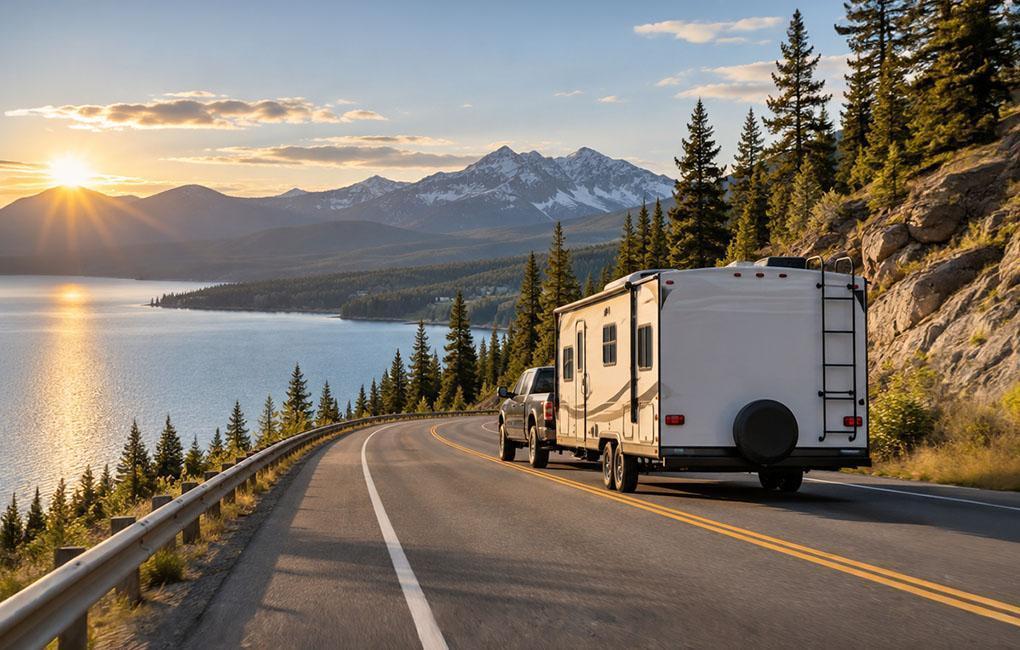
There’s a particular kind of excitement that comes with loading up a trailer for the first big trip of the season. Whether it’s bikes and camping gear you’ll need for the mountains, or a boat trailer pointed toward the lake for the weekend, the appeal is the same: the freedom to bring what you need and go where you want. It’s the cooler packed with more food than you’ll actually eat, the gear you’ve been waiting all winter to use, and the route mapped out with plenty of scenic stops along the way!
Your trailer is what makes that freedom possible, while the trailer tires do the quiet work underneath it all. They carry the weight of everything loaded on, hold up over miles of highway, and handle conditions that regular car tires were never built for. All that’s left for you to think about is the trip ahead.
Think About the Trips You Like to Take
Not every trailer trip will look the same, and that’s something worth considering before purchasing a new set of trailer tires. How you travel says a lot about what you should look for.
For example, weekend campers tend to load up every other Friday and put far more miles on their tires than they expect over the season. Those who travel long distances, the ones who are mapping out routes across a few states, will need tires that can hold steady through hours of highway driving and changing conditions. Then there are families heading to the coast or up into the mountains, who often have a fuller trailer and a wider range of terrain to cover, from flat interstates to steeper mountain terrain.
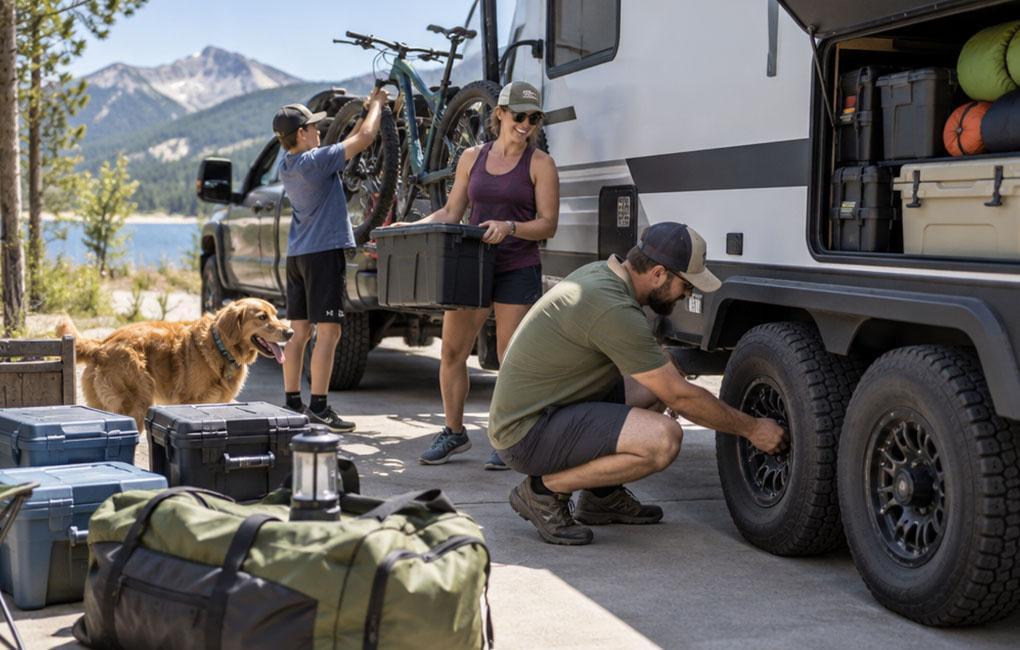
On the other hand, some travelers carry bikes, kayaks, or a full camping set along for the ride. More gear means more weight, and that’s a detail worth keeping in mind when it comes to selecting a tire with the right load capacity. Some people also park their trailer for months between adventures and only hitch up once or twice a season.
But don’t worry. Choosing adequate trailer tires is not that complicated. All you need is a general sense of how often you travel, how far you typically go, and how loaded your trailer usually is. That’s really all it takes to start narrowing down what will work best for your trailer.
Choose Tires That Match What You’re Carrying
Once you have a sense of how you travel, the next step is making sure your tires can actually handle what you are hauling. If you’re still working out what kind of trip fits you best, that answer will shape how much gear you are bringing, which in turn shapes what your tires need to handle. This is where a little check can go a long way.
Always start with your trailer’s recommended tire size. This tells you the tire size your trailer was built for, and it’s the starting point for narrowing down your options. From there, look for the load rating, sometimes referred to as load capacity. This number tells you how much weight a tire can safely carry, and it needs to match up with what your trailer and its cargo actually weigh.
The goal here is very simple: stay within your trailer’s weight limits. Loaded up with bikes, coolers, camping gear, and everything else… that weight adds up faster than most people expect. Never exceed the weight your tires are rated to carry. Those tires will work harder than they should, which can lead to tire damage and blowouts.
None of this is guesswork, which is probably what makes it easier to figure out. The numbers are already there on the trailer and the tires. It’s just a matter of checking that they line up before you hit the road. So, let’s discuss that next!
Finding the Right Trailer Tires Without Overthinking It
As mentioned above, all the information you need is easy to find; it is sitting right there on your trailer and tires.
The easiest place to start is the existing tires. The sidewall lists the size, load rating, and other details, so if your current tires have served you well, that’s often your baseline. Beyond that, your trailer manufacturer’s information, the owner’s manual, and the trailer’s identification or certification label all show exactly what the trailer was built to handle.
Generally, the simplest approach is to follow the manufacturer’s recommendation. That number reflects the trailer’s design, so matching it is usually the easiest way to get the right fit. The same logic applies to planning any trip: start with what’s already laid out for you, and the rest falls into place a lot faster. From there, it’s really just a matter of finding tires in that size and load range, which is a lot more straightforward than it sounds.
Think About Your Kind of Adventure
Weekend escapes: For occasional camping trips, you don’t need to overthink it. Make sure you have the correct tires for your trailer, give them a quick once-over before you head out, and you’re set for another weekend by the lake or up in the hills.
Long road trips: When you’re spending days on the highway instead of hours, maybe heading toward a cabin in the mountains for a longer stay, it helps to choose tires suited to both your trailer and the kind of driving ahead. More miles means more time for small issues to become noticeable ones, so a bit of extra preparation before a long trip pays off.
Gear-heavy adventures: Bikes, paddleboards, kayaks, camping equipment, coolers, extra supplies; it’s easy to forget how quickly all that fun stuff adds up. Keep the total load in mind so your tires are carrying what they’re rated for, not more.
Seasonal travelers: If your trailer spends most of the year tucked away between trips, tires still deserve your attention. They don’t get a break just because the trailer isn’t moving, so it’s worth checking on them before the next adventure rather than assuming they’re ready to go.
A Quick Check Before You Hit the Road
Getting ready for a trip usually comes with a mental checklist: sunscreen, phone charger, camping stove, the cooler packed the night before, etc. Tires deserve a quick spot on that same list.
Before you head out, check the tire pressure and make sure it matches what your trailer calls for. Look for anything obvious, like cracking or damage, and check that they’re wearing evenly rather than unevenly on one side. Confirm the tires still meet your trailer’s capacity requirements, especially if it’s been a while since you last checked. Don’t forget the spare either, since it’s easy to overlook until you actually need it. None of this takes long, and it’s really just part of getting ready for the trip.
Don’t Forget About the Tires When Your Trailer Is Parked
For many recreational trailers, parked time far outweighs road time. It might come out for a handful of trips a year and spend the rest of its time sitting in the driveway or a storage lot, and that’s perfectly normal.
It’s worth knowing that tires age even when they’re not racking up miles. Sun exposure, temperature swings, and time itself all play a role, so a tire that looks fine at a glance can still be getting older underneath. The fix is quite simple: check your tires periodically, even when there’s no trip on the calendar. Look for visible cracking or other obvious wear, and follow the manufacturer’s recommendations for tire life.
It also helps to think about how the trailer is stored. A covered spot or a bit of shade makes a difference over time compared to sitting in direct sunlight year-round. None of this requires a special routine, just the occasional glance to make sure everything looks the way it should before the next trip rolls around.
Conclusion
Trailer tires are not the reason anyone plans a trip, but they’re what keeps you on the road. The lake, the mountains, the coastline, the campground you’ve been wanting to visit, all of that is the actual point, and a little attention to your tires is what keeps you moving toward it.
Match your tires to your trailer and load, give them a quick check before you go, and don’t ignore them just because the trailer’s been sitting for a while. A few minutes of attention now means fewer things to think about later, leaving more room for what actually matters: the drive, the destination, and everything else you packed for.